Buying a condo or home in an association on Snell Isle? One document can make or break a smooth closing: the estoppel certificate. You want zero surprises with fees, assessments, or rules that affect how you plan to use the property. In this guide, you will learn what an estoppel certificate is, what it covers, when to order it, and the red flags to watch for in waterfront and luxury communities. Let’s dive in.
Estoppel certificate explained
An estoppel certificate is a written statement from the condo or homeowners association that confirms the financial and compliance status of a specific property as of a set date. Florida law requires associations to provide this information when properly requested. Buyers, lenders, title companies, and closing agents rely on it to verify any amounts owed and to confirm rules that may affect ownership.
In practice, the association or its management company prepares the certificate. It is often signed by an authorized officer or manager. You use it to confirm costs at closing and to check for anything that could become a lien or a post-closing expense.
Why you need it
The estoppel certificate helps you:
- Confirm unpaid regular assessments, special assessments, late fees, and attorney costs owed by the seller.
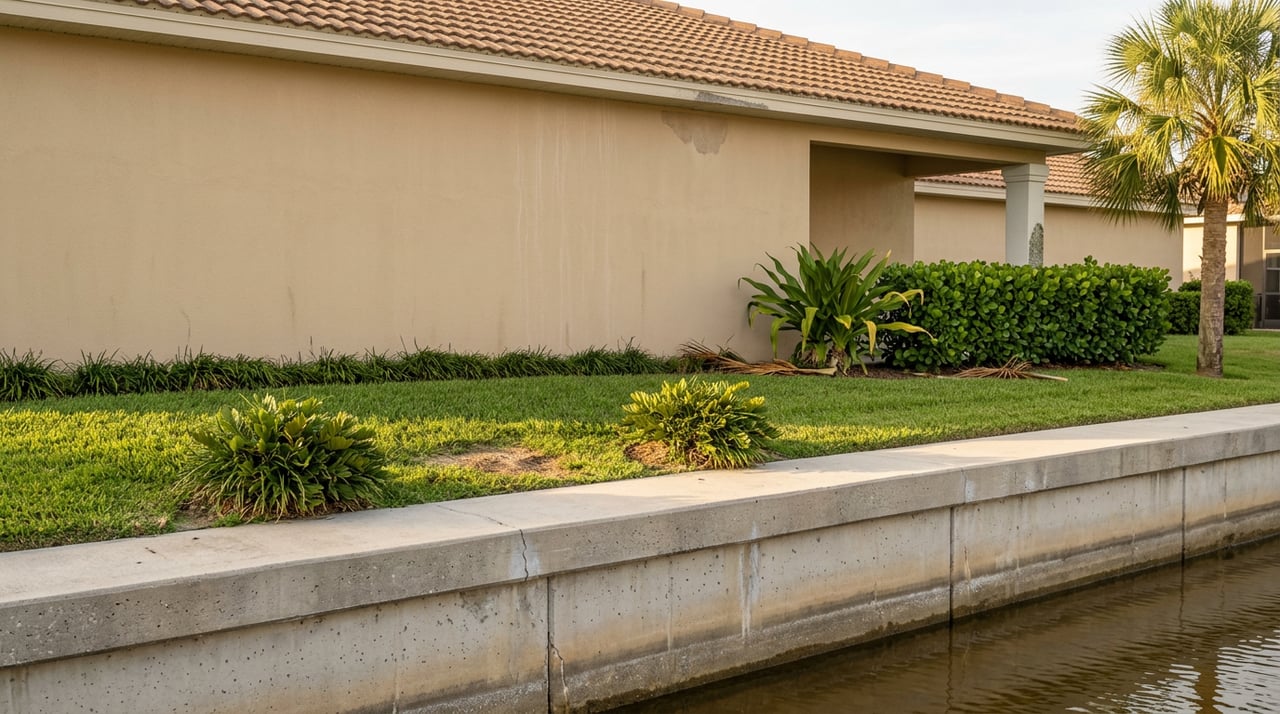
- Spot upcoming capital projects that could affect your budget, such as seawall work in a waterfront community.
- Understand transfer fees and capital contribution fees due at closing.
- Review leasing and pet rules to be sure your plans fit the community’s restrictions.
- Identify any association litigation or insurance issues that may affect lending or future costs.
What the estoppel includes
Content varies by condo or HOA, but you can expect:
- Assessment status: Amount due for regular assessments, special assessments, late fees, interest, and any collection costs.
- Dates and validity: Whether the account is current or delinquent and the effective date of the statement.
- Transfer-related fees: Transfer fees, estoppel preparation fee, and any capital contribution due at sale.
- Restrictions summary: Leasing limits, minimum lease terms, pet and parking rules, and any use restrictions.
- Insurance notes: What the master policy covers and any deductible details that could become owner obligations after a storm.
- Capital projects and reserves: Recent or planned projects, such as roofs, elevators, or seawalls, and whether reserves exist or special assessments are planned.
- Litigation and claims: Whether the association is involved in litigation that could affect owners.
- Contacts: Management company and association officer contacts for follow-up.
Timing, fees, and validity
When to order in Pinellas closings
Order your estoppel as soon as your contract is signed and within your contingency window. Because the information can change, plan to request an updated estoppel shortly before closing. Lenders and title companies often want an update within 5 to 15 days of closing.
Who pays the fee
Associations usually charge a fee to prepare the estoppel. Who pays can be negotiated in your contract. Local custom varies, so confirm with your agent and review the association’s process.
How long it is valid
Estoppels are time-limited. Many remain effective for 30 to 90 days, but it depends on the association and the document date. If your closing is delayed, you may need an updated version to satisfy your lender and title company.
Buyer checklist for Snell Isle
Use this quick list to stay ahead of surprises:
- Request the estoppel early during your inspection or due diligence period.
- Confirm the total payoff for assessments and the date through which payments apply.
- Ask if any special assessments exist, were recently approved, or are proposed. Confirm the amount and payment schedule.
- Review the budget, reserve status, and recent meeting minutes to understand financial health.
- Check rental rules and minimum lease terms if you plan to rent in the future.
- Verify transfer fees and any capital contributions due at closing.
- Review insurance coverage type and deductibles. Ask about recent or pending claims.
- Get management and board contacts for follow-up questions.
- Schedule an updated estoppel close to closing, especially if your lender requires it.
Red flags to watch
In a waterfront and luxury neighborhood like Snell Isle, watch for:
- Special assessments tied to seawall repair, flood mitigation, roof replacement, or elevator modernization.
- High owner delinquency rates that may weaken reserves or signal future assessments.
- Limited or no reserves combined with deferred maintenance.
- Large wind or hurricane deductibles that could translate to owner assessments after a storm.
- Leasing restrictions that do not match your intended use.
- Significant association litigation that could impact financing or costs.
What to do if issues arise
If the estoppel reveals a problem, take these steps:
- Request more documents, such as the current budget, reserve study, financials, recent minutes, and special assessment details.
- Discuss with your agent or a real estate attorney to understand options and timelines.
- Negotiate solutions, such as the seller paying amounts owed before closing, a seller credit, an escrow holdback, or, if allowed by your contract, termination.
- Notify your lender if new liabilities appear that could affect underwriting.
- Confirm with your title company whether title insurance will cover any disclosed association liens.
Snell Isle scenarios you may face
- Example 1: A waterfront condo’s estoppel shows a new special assessment for seawall reconstruction. You negotiate for the seller to pay the unpaid portion or provide a credit at closing.
- Example 2: The estoppel notes a large hurricane deductible under the master policy and delayed premium payments. You request a detailed insurance summary and negotiate protections or credits.
- Example 3: The estoppel lists a transfer fee and a 12-month minimum lease rule. If you planned seasonal rentals, you adjust your plan or choose a community that fits your goals.
How to use the estoppel to your advantage
Treat the estoppel as a snapshot and a negotiation tool. Match it against the association’s budget, minutes, and reserve information. Use any new or undisclosed costs to request repairs, credits, or seller payoffs. Most important, make sure you receive an updated estoppel before you fund and sign.
Ready for a smooth Snell Isle closing?
You should feel confident about your numbers, rules, and next steps before you wire funds. If you want concierge guidance and neighborhood insight from a downtown St. Petersburg brokerage that works these details every day, connect with Melody Stang. We will help you order the right documents, interpret the findings, and negotiate clear outcomes.
FAQs
What is a Florida estoppel certificate in an HOA or condo purchase?
- It is a written statement from the association that confirms what the current owner owes, key rules, fees due at closing, and other items that could affect your costs or title.
Who orders the estoppel certificate for a Snell Isle property?
- Buyers, agents, lenders, or title companies can request it, but you should coordinate with your agent to order it early during your contingency period.
How long is a Florida estoppel certificate valid for closing?
- Many are effective for 30 to 90 days, so lenders often require an updated estoppel within 5 to 15 days before closing.
Who pays the estoppel fee in Pinellas County closings?
- The association charges a preparation fee, and payment responsibility is set by your contract and local custom, so confirm the terms before you order.
What red flags should Snell Isle buyers look for on the estoppel?
- New or proposed special assessments, low reserves with big projects ahead, high delinquencies, litigation, and large hurricane deductibles are common concerns.
Can I rely on the estoppel to approve short-term rentals?
- No. Use it to flag leasing limits, then review the association’s governing documents to confirm minimum lease terms and any approval requirements before you close.