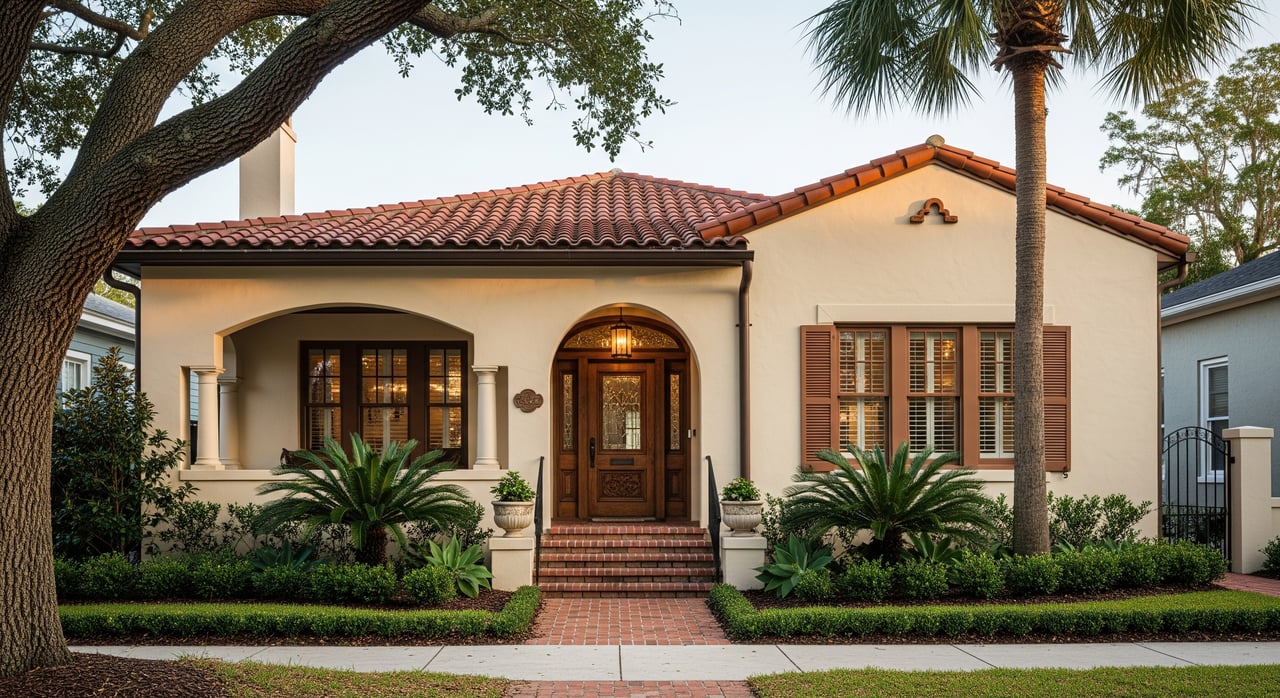
Selling a historic Old Northeast home is different from listing a newer property. Buyers come for charm, porches, and walkability, and they look closely at authenticity and maintenance. With the right plan, you can protect value, avoid surprises, and present your home at its best. This guide walks you through a practical 3 to 6 month pre‑listing checklist tailored to Historic Old Northeast in St. Petersburg. Let’s dive in.
Why Old Northeast homes stand out
Early 20th century architecture defines the neighborhood, with bungalows and Craftsman details, Mediterranean and Colonial Revival influences, deep porches, and original wood trim. Mature street trees and a walkable streetscape are part of the appeal. Buyers often seek intact floors, built‑ins, windows, and usable outdoor living spaces. Highlighting these features while showing solid maintenance will set you apart.
Permits, rules, and disclosures
Historic districts often require review for exterior changes. Before altering siding, windows, porches, or trim, consult the City of St. Petersburg Historic Preservation Office for possible Certificate of Appropriateness needs. The Old Northeast Neighborhood Association can also provide neighborhood guidance and palettes. Confirm any permit requirements with the city building department and check Pinellas County property records.
Florida sellers should disclose known defects, prior repairs, and system ages that affect insurability. Be ready to share documentation for roof age, hurricane‑related upgrades, and flood zone status. Keep contractor invoices and permit approvals organized for buyers and lenders.
Start with inspections
Order inspections early to spot issues that can derail a sale or insurance.
- General home inspection for structure, roof, and moisture
- Termite and WDO inspection, since Florida is high risk for wood‑destroying organisms
- Roof inspection and age verification, with invoices and permits if available
- System checks for HVAC, electrical, and plumbing to flag safety or capacity issues
- Mold or moisture assessment if there has been visible intrusion in attics, crawlspaces, or baths
Address safety and system issues first
Buyers will pay for character, but they expect safety and function.
- Prioritize fixes: active leaks, structural problems, electrical hazards, HVAC failures, termite damage, and unsafe stairs or railings.
- Address common historic‑home concerns: piers and foundations, porch structure and decking, chimney and flue condition, exterior wood rot and paint failure, and original windows with rotten sills or missing hardware.
- If your home predates 1978, handle any paint work with EPA RRP‑compliant practices and licensed pros. Keep WDO reports, permits, and receipts for your file.
Preserve character with smart updates
Paint and finishes
Freshen exterior trim and porch paint with historically sympathetic palettes. Inside, choose neutral, warm colors that let woodwork shine. Aim for a cared‑for, cohesive look rather than high‑gloss contemporary finishes that fight the architecture.
Floors, millwork, and original features
Refinish original hardwoods where feasible. Repair instead of replacing baseboards, casings, built‑ins, stained glass, doors, and mantels. A little restoration goes a long way in buyer perception.
Kitchens and baths that fit the era
Keep scale and style in mind. In kitchens, consider refacing cabinets, updating appliances, and replacing worn counters while ensuring electrical and plumbing are safe and up to code. In baths, focus on cleanliness and function like regrouting, recaulking, and updating fixtures while retaining period touches such as clawfoot tubs or tile patterns.
Windows and energy efficiency
If you have original sash, prioritize repair and weatherstripping over wholesale replacement. Consider interior storm windows or secondary glazing to improve comfort while preserving the exterior look. If replacement is necessary, match historic profiles and muntins and confirm approvals if required.
Exterior, landscaping, and drainage
Porches are a signature feature. Ensure railings are secure, floors are painted, and seating areas feel like an outdoor room. Trim landscaping to reveal architecture while preserving mature canopy trees. Confirm positive grading and functioning gutters to handle Florida rain.
Contractors and specialists
Hire licensed pros who know historic homes and local review processes. For lead‑safe painting, termite remediation, and window restoration, secure experienced specialists. Always obtain permits where needed and keep detailed records.
Stage and photograph for premium impact
Staging that showcases history
- Arrange furniture to highlight built‑ins, mantels, and original windows.
- Choose scaled pieces that suit smaller rooms and simpler lines.
- Declutter and depersonalize while adding a few period‑appropriate accents.
- Stage porches with seating and define the backyard as a usable outdoor space.
Photography shot list
Capture the charm buyers expect.
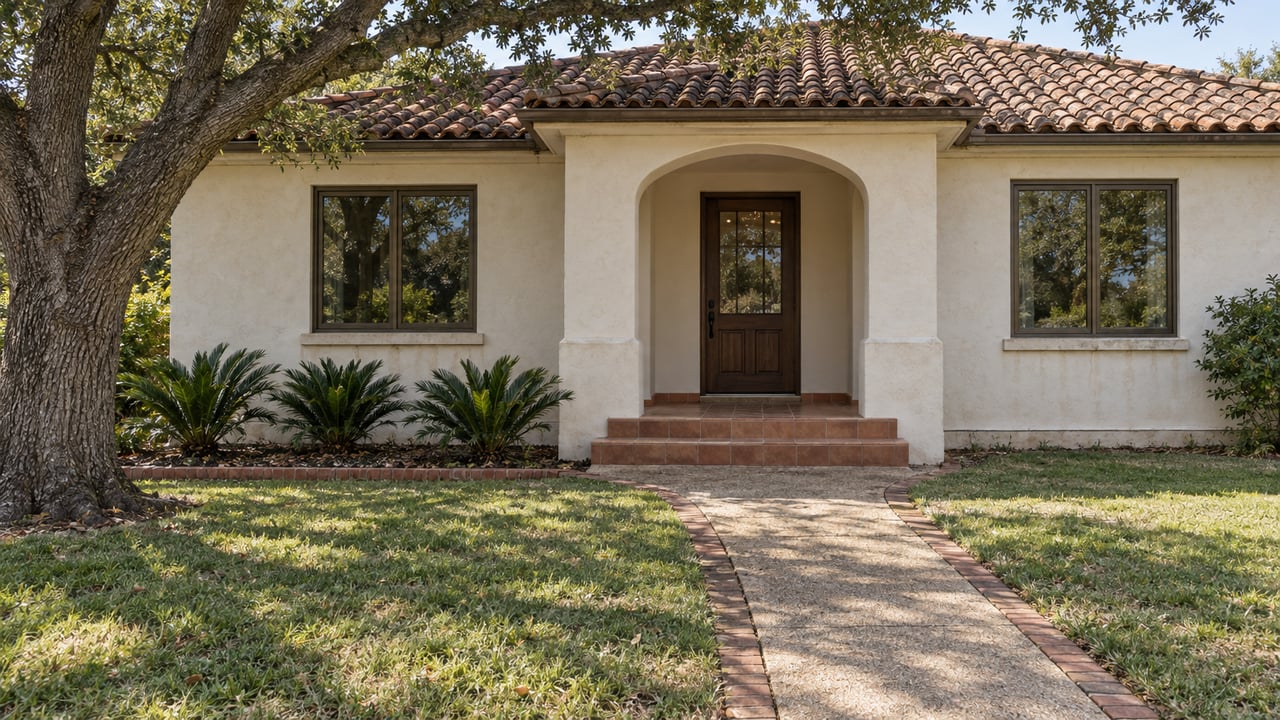
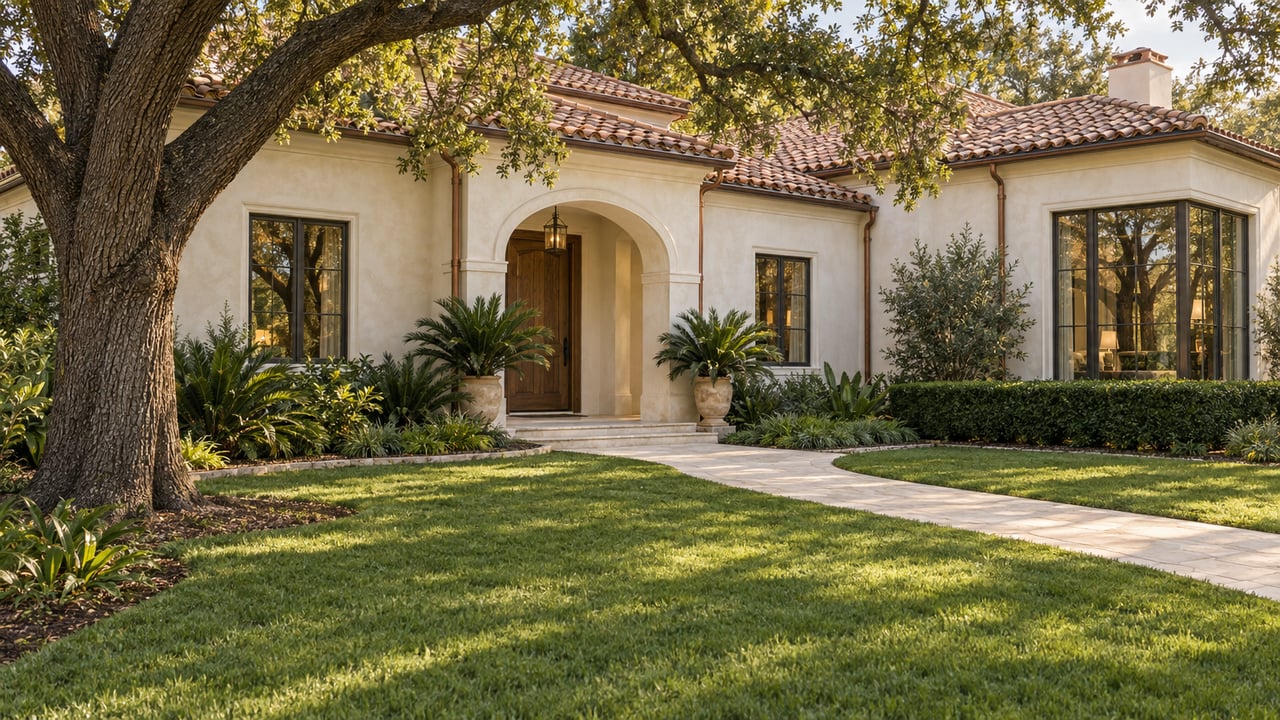
- Front exterior wide shot with porch, façade, and street trees
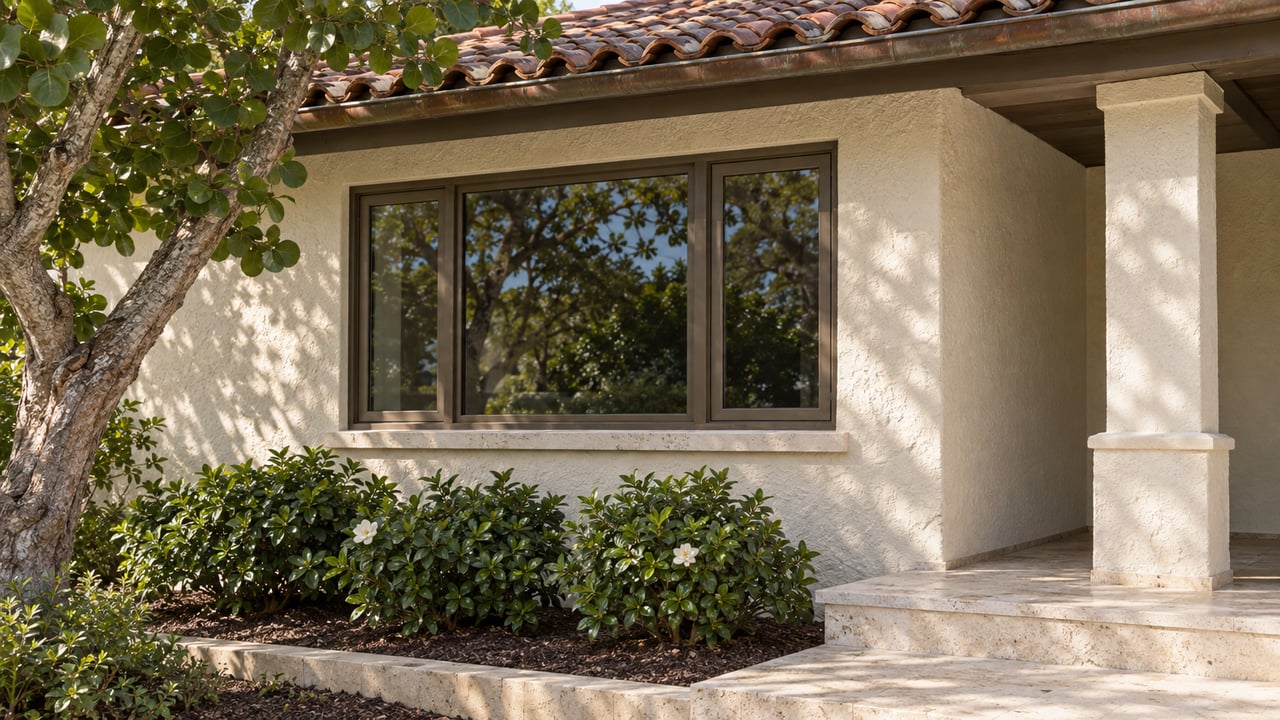
- Porch detail showing steps, railings, and columns
- Living room with millwork and any hearth
- Kitchen wide and key details like appliances and counters
- Primary bedroom and bath with fixtures and tile
- Secondary bedrooms and built‑ins
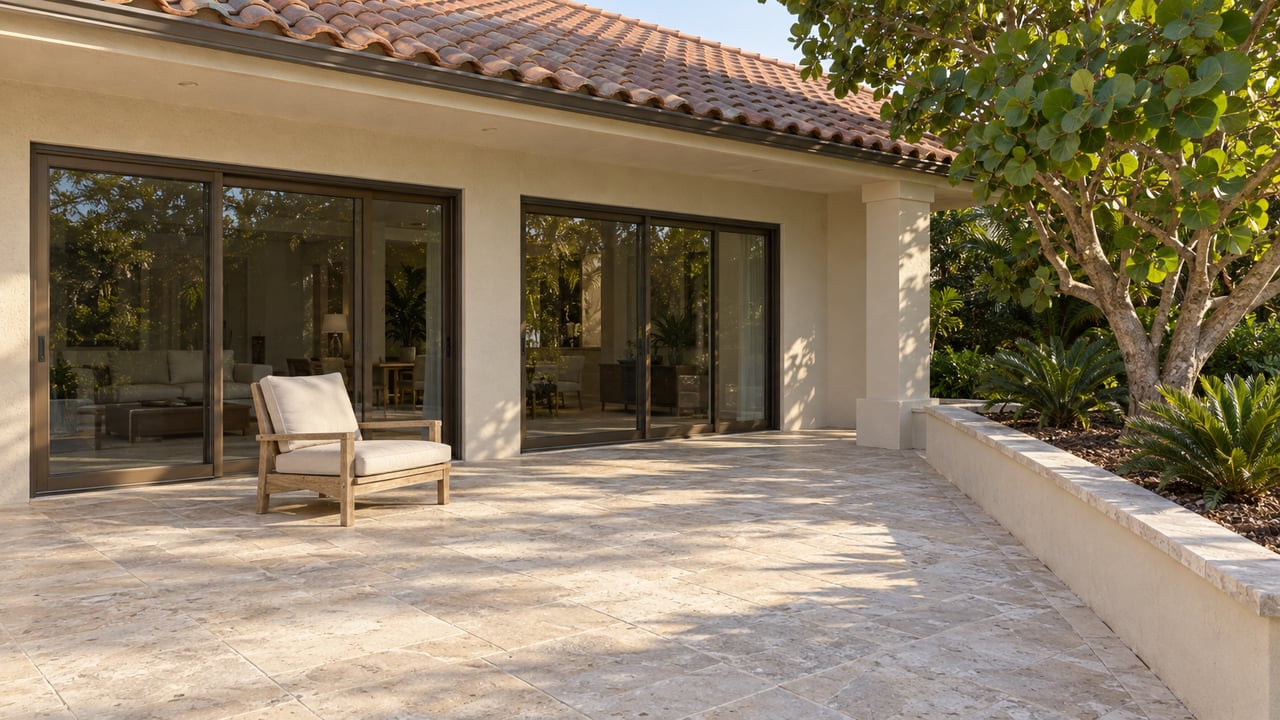
- Rear yard, outdoor entertaining areas, and any garage or outbuilding
- Neighborhood streetscape that conveys walkability and canopy
- Twilight porch shot for ambiance
- Floor plan and a 3D tour or virtual walkthrough
Technical photo tips
- Use HDR or exposure stacking for interiors with bright windows.
- Choose a wide lens without extreme distortion at roughly 24 to 35 mm full‑frame equivalent.
- Shoot interiors around eye level at 4 to 5 feet to keep proportions natural.
- Open curtains and turn on lights; remove or minimize window units when possible.
Drone, virtual tours, and floor plans
Aerials can highlight proximity to downtown and the waterfront. Use a licensed FAA Part 107 pilot and follow local rules and privacy best practices. Accurate floor plans and 3D tours boost engagement, especially for out‑of‑town buyers reviewing room scale and circulation.
Photographer brief
Ask for color‑accurate files and both high‑res images for print and optimized versions for MLS and online. Share a brief that calls out original millwork, porch details, mature landscaping, and street canopy.
3 to 6 month timeline
Month 1: inspect and plan
- Order general, WDO, and any specialized inspections like roof or chimney.
- Contact the City’s historic preservation office about approvals for exterior work.
- Gather deeds, prior permits, and invoices.
- Get bids and schedule priority contractors for roof, structural, and termite items.
Month 2: urgent repairs and permits
- Complete safety and health repairs such as leaks, termite treatment, and electrical hazards.
- Pull permits for structural or major system work.
- Improve drainage and gutters where needed.
Month 3: cosmetic and preservation work
- Refinish floors as needed and repair trim.
- Repaint exterior trim and porches if required.
- Tackle right‑sized kitchen and bath refreshes.
- Clean up landscaping and prepare porch décor.
Month 4: staging and pre‑photography
- Arrange professional cleaning and staging.
- Book the photographer and drone pilot and finalize the shot list.
- Compile disclosures, permits, and inspection reports for your agent.
Months 5 to 6: market prep and listing
- Complete touch‑ups and capture twilight images.
- Finalize floor plans and 3D tour.
- Go live on MLS once media and documentation are ready.
Quick pre‑listing checklist
- Order general, WDO, and any needed specialized inspections.
- Fix safety issues first: leaks, structural concerns, electrical hazards, and HVAC failures.
- Treat termite issues and keep WDO clearance.
- Repair and repaint porch and front façade; verify safe railings and steps.
- Clean, declutter, and stage to feature historic details.
- Photograph interior, exterior, twilight, and a neighborhood view; create a floor plan and virtual tour.
- Assemble permits, warranties, inspection summaries, and any association information.
What to document for buyers
- System ages: roof, HVAC, electrical service, and plumbing
- Permit numbers and approvals for past work
- WDO inspection results and any treatment records
- Flood zone details and any elevation or insurance information
- Any City approvals for exterior changes such as windows or porches
Final prep and presentation
Your goal is to show a well‑loved home that respects its era and runs safely and smoothly. Focus on the fixes that matter most to buyers and lenders, then use thoughtful staging and premium media to tell the home’s story. If you want a high‑touch partner to coordinate inspections, staging, photography, virtual tours, and print placement, connect with a boutique, founder‑led team that knows Old Northeast inside and out. Ready to talk timing, scope, and strategy? Reach out to Melody Stang to plan your best‑in‑class listing.
FAQs
Historic Old Northeast exterior changes: do I need approval?
- Many exterior changes in a local historic district may require City review or a Certificate of Appropriateness, so check with the Historic Preservation Office before starting work.
Florida disclosures for historic homes: what is required?
- Disclose known defects, system ages, prior repairs with permits, and insurance‑related conditions such as roof age, hurricane vulnerabilities, and flood zone status.
Termites and wood rot: how should I prepare?
- Order a WDO inspection early, complete any treatments or repairs, and keep the report and receipts to reassure buyers and lenders.
Original windows vs replacement: what is best?
- Preserve and repair original sash where possible with weatherstripping or interior storms; if replacement is necessary, match historic profiles and confirm local approvals.
Drone photography near downtown St. Pete: is it allowed?
- Yes with compliance: use a licensed FAA Part 107 pilot, follow local rules, and avoid capturing neighboring private areas or crowds.
Flood zone and insurance: what should I provide buyers?
- Verify the FEMA flood zone, share any elevation or policy information you have, and be ready to discuss how the home’s systems and roof age affect insurability.