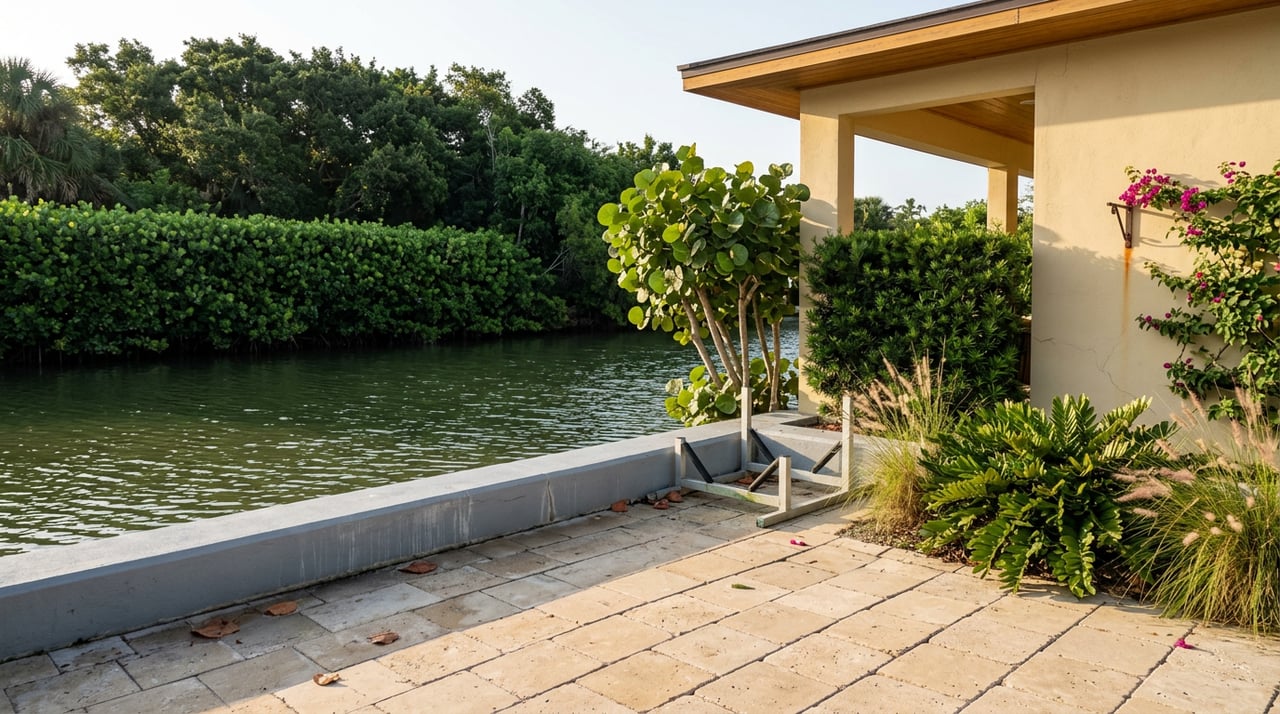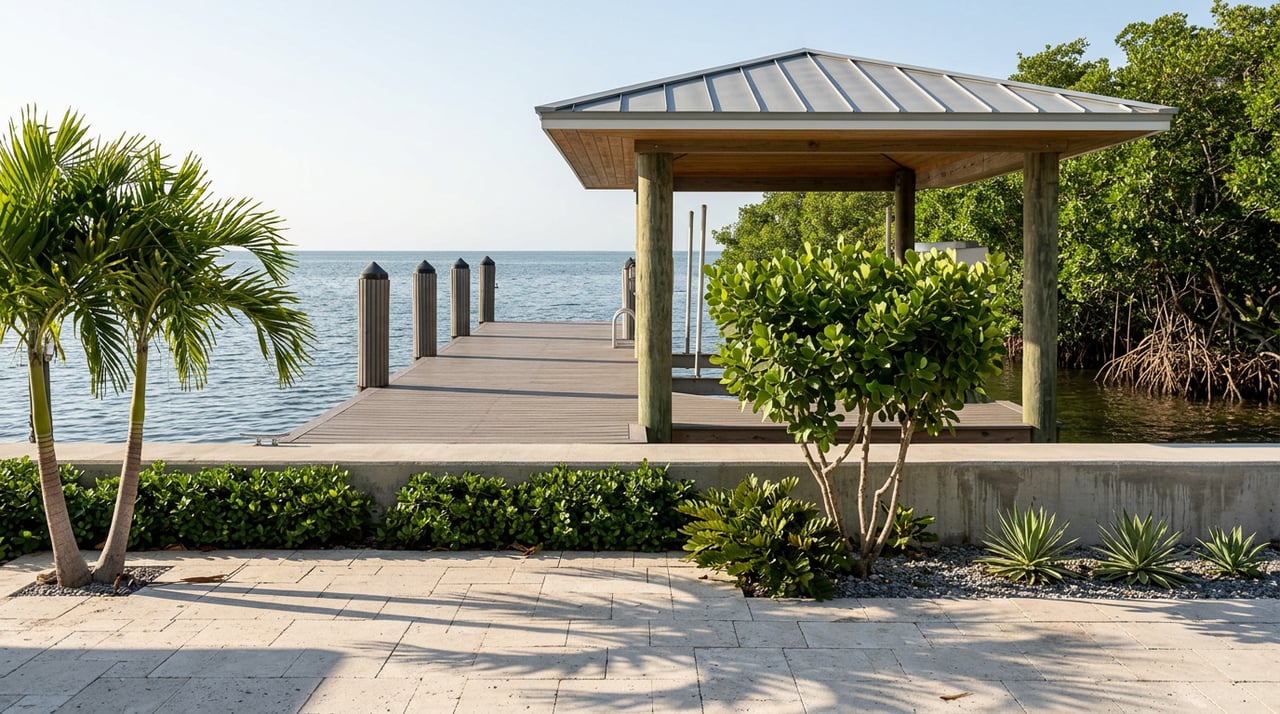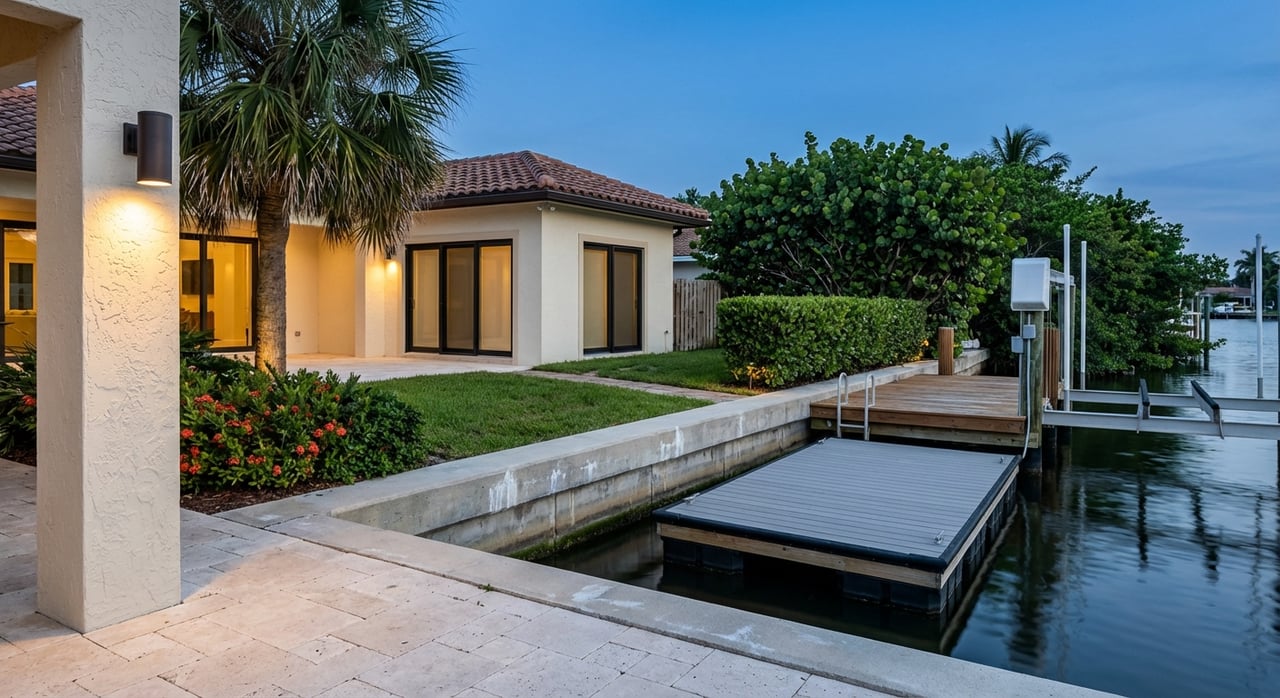
Picture yourself sipping coffee as the sun rises over Tampa Bay, your boat ready at the dock and downtown St. Pete minutes away. Buying waterfront on Snell Isle can deliver that daily, but the best views come with details you do not want to miss. In this guide, you will learn how to evaluate docks, depth, seawalls, permits, flood risk, and lifestyle tradeoffs so you can buy with confidence. Let’s dive in.
Snell Isle at a glance
Snell Isle sits just northeast of downtown St. Petersburg, surrounded by Tampa Bay, Coffee Pot Bayou, and Smacks Bayou. It began as a planned island community in the 1920s and blends historic homes with newer builds. The neighborhood maintains a strong identity through the Snell Isle Property Owners Association, which focuses on beautification and community initiatives. You can learn more about the association’s mission on the Snell Isle Property Owners Association site.
Waterfront listings here are limited, and the area is considered one of St. Petersburg’s upper tier waterfront pockets. Expect competition for well-located homes and be ready with financing, inspections, and expert guidance before you write an offer.
Choose your waterfront
Open bayfront
- Big water views and the most direct access to the Gulf via Tampa Bay.
- Higher exposure to wind, surge, and wave action, which can impact seawall wear and dock design.
- Typically commands premium pricing due to view corridors and boating flexibility.
Bayou or canal frontage
- Calmer, more protected water with easier kayak and paddle access.
- Depth can be shallower, so confirm your boat’s draft and docking plan early.
- Often more privacy and lower day-to-day exposure compared with open bay.
Lot size and rebuild potential
- Snell Isle has a mix of historic lots and larger estate parcels.
- For future projects, verify setbacks, height limits, and any association guidelines.
- Ask your surveyor to map the mean high water line and all waterward improvements before planning renovations.
Docks, lifts, and boating access
Choosing the right dock and lift matters for safety, convenience, and resale. You will see fixed pile-supported docks, floating docks, and marginal docks along seawalls. Lift types vary by boat size and site conditions. Get a marine contractor’s opinion on the correct system for your draft and exposure. For a quick primer on lift configurations and maintenance, review this overview of boat lift types.
Before you buy, confirm practical depth. The depth at mean low water determines what you can safely keep at your dock. Ask for a sounding referenced to a tidal datum so you know your usable draft year-round. This permit document example shows how MLW is used in real approvals and why it matters.
Permitting sits at several levels in Florida. Local, state, and federal rules can affect dock size, placement, and construction methods. Manatee zones, seagrass, and slip counts often guide what is allowed. For an accessible explainer of who regulates what and when a permit or consent is needed, see this Florida waterfront permitting overview.
If your lot cannot support your desired vessel, or you prefer low-hassle boating, consider club and private marinas. The St. Petersburg Yacht Club’s waterfront and Snell Isle facilities are popular options. Check St. Petersburg Yacht Club’s marina information for slip types and membership details.
Seawalls and lifecycle costs
Seawalls have a working life. Many are engineered for roughly 30 to 50 years, depending on materials, exposure, and maintenance. Older walls can show bowing, cracking, tieback failure, and erosion behind the cap. A marine inspection helps you understand remaining life and urgency. For a simple breakdown of lifespan and repair triggers, see this guide on seawall repair vs replacement.
Costs vary widely. Planning ranges run from repairs at a few hundred dollars per linear foot to full replacements that can reach several hundred dollars per foot, and in complex cases higher. Site access, engineering, tiebacks, and permitting drive the final figure. Use these numbers only for budgeting, then secure written estimates from local marine contractors. This primer on seawall cost factors highlights what moves the price.
Do not forget dock and lift maintenance. Expect routine servicing of motors, cables, controls, and electrical. Wood and metal components need regular checks for rot and corrosion. Budget for annual service and periodic part replacement during a 10 to 20 year horizon.
Flood, insurance, and financing
Flood zones and elevation matter. Your lender may require flood insurance based on FEMA mapping, and your finished-floor elevation will influence premiums. Pinellas County offers interactive tools for flood zones, evacuation, and storm surge. Start with the county’s flood maps and tools, and request any existing elevation certificate from the seller.
Get early quotes for flood and wind coverage. Mitigation features like impact-rated windows and roof strapping can help with wind premiums. Be conservative with deductibles and set aside reserves for a possible future seawall project.
Tell your lender it is a waterfront purchase. Appraisers and underwriters will look at water frontage, usable dockage, seawall condition, and depth. Some lenders may require marine or structural reports, and in certain cases escrow funds for repairs.
Rights, titles, and HOAs
Some Snell Isle homes are part of associations, while others are not. Confirm dues, rules, and what is covered if you are considering a condo or a property with shared amenities. The Snell Isle Property Owners Association is neighborhood-wide and focused on community identity and beautification rather than private property rules.
Understand sovereign submerged lands. In Florida, the state holds title to lands waterward of the mean high water line, and docks or dredging often require authorization. Ask for recorded permits or letters of consent and confirm transferability. You can review definitions and rules in the Florida Administrative Code for submerged lands.
Due diligence checklist for buyers
Use this list to keep your offer strong and your risk low:
- Verify the address on FEMA and Pinellas County flood tools and collect any elevation certificate on file. Start at the county’s flood maps.
- Order a current boundary or ALTA survey that shows the mean high water line, seawall, dock, and lift locations.
- Request recorded permits or letters of consent for the dock, lift, seawall, and any dredging. Confirm they match what is built and are transferable.
- Schedule a full home inspection plus a licensed marine contractor or coastal engineer seawall inspection. Include photos, condition summary, and budget ranges.
- Obtain a sounding at mean low water to confirm usable draft for your boat and assess any need for dredging.
- Get preliminary quotes for flood and wind insurance and verify lender requirements and deductibles.
- Ask your lender about any extra documents they will need, such as marine or structural reports.
Lifestyle and resale factors
Your boating style and maintenance preferences should guide location choice. Open bay offers fast runs and big views, while canals and bayous offer quieter water and easier day-to-day use. Proximity to downtown dining, museums, and waterfront parks helps support long-term demand.
Water quality is a real value driver. Research shows clearer water and better conditions can support higher property premiums in coastal markets. Review local water conditions over time and nearby boat traffic. For a look at how water quality influences real estate, see this summary of recent research.
Ready to explore Snell Isle waterfront homes with a trusted local partner who understands docks, depth, and design as well as contracts and comps? Reach out to Melody Stang to start a tailored search and a smart plan for inspections, permits, and pricing.
FAQs
What is the difference between bayfront and bayou lots on Snell Isle?
- Bayfront offers wide views and quicker Gulf access but more wind and wave exposure, while bayou or canal lots provide calmer water, often better day-to-day usability, and more privacy.
How can I tell if a dock or lift is legally permitted in Florida?
- Ask for recorded permits or letters of consent and compare them to what is built; Florida’s permitting layers are explained in this waterfront permitting overview.
How long do seawalls last and what do replacements cost?
- Many seawalls are designed for about 30 to 50 years, and costs vary from repair-level per-foot pricing to higher full replacements depending on site conditions; see lifespan notes here and cost drivers here.
Do I need flood insurance for a waterfront home on Snell Isle?
- Your lender may require it based on FEMA and county maps, and your elevation impacts premiums; use Pinellas County’s flood tools and get early quotes to budget accurately.
Can my Snell Isle dock handle a larger boat with deeper draft?
- Only if depth at mean low water and channel access support it; request a professional sounding and verify lift capacity and permit limits before committing.
What are my options if my lot cannot support a private slip?
- Consider local marinas and club facilities near Snell Isle, including options listed by the St. Petersburg Yacht Club, and confirm slip availability and membership requirements.