Selling a waterfront home on Tierra Verde means buyers will judge your shoreline as closely as your kitchen. You want top dollar, a smooth timeline, and no late surprises. This guide gives you a clear, step-by-step plan to prepare, document, and present your property so serious buyers feel confident making a strong offer. Let’s dive in.
Know your Tierra Verde buyer
Tierra Verde attracts boaters, year-round coastal residents, and second-home buyers who value quick access to open water and Fort De Soto. These buyers focus on functional details, not just views. They want to know dock depth at low tide, lift capacity, and the condition of your seawall.
They also care about insurance clarity. Elevation data, wind-mitigation features, and recent inspection reports can reduce uncertainty about premiums. The market spans from canal homes to rare estates, so tailor your preparation and presentation to your home’s price tier.
Start with inspections first
Getting ahead of inspections removes risk and speeds negotiations. Aim to complete the following before you list.
General home and WDO
Order a full pre-listing home inspection to surface structural, roof, electrical, and plumbing issues. In Florida, add a termite and wood-destroying organism inspection. Fix small items early so they do not become leverage later.
Dock, lift, and pilings
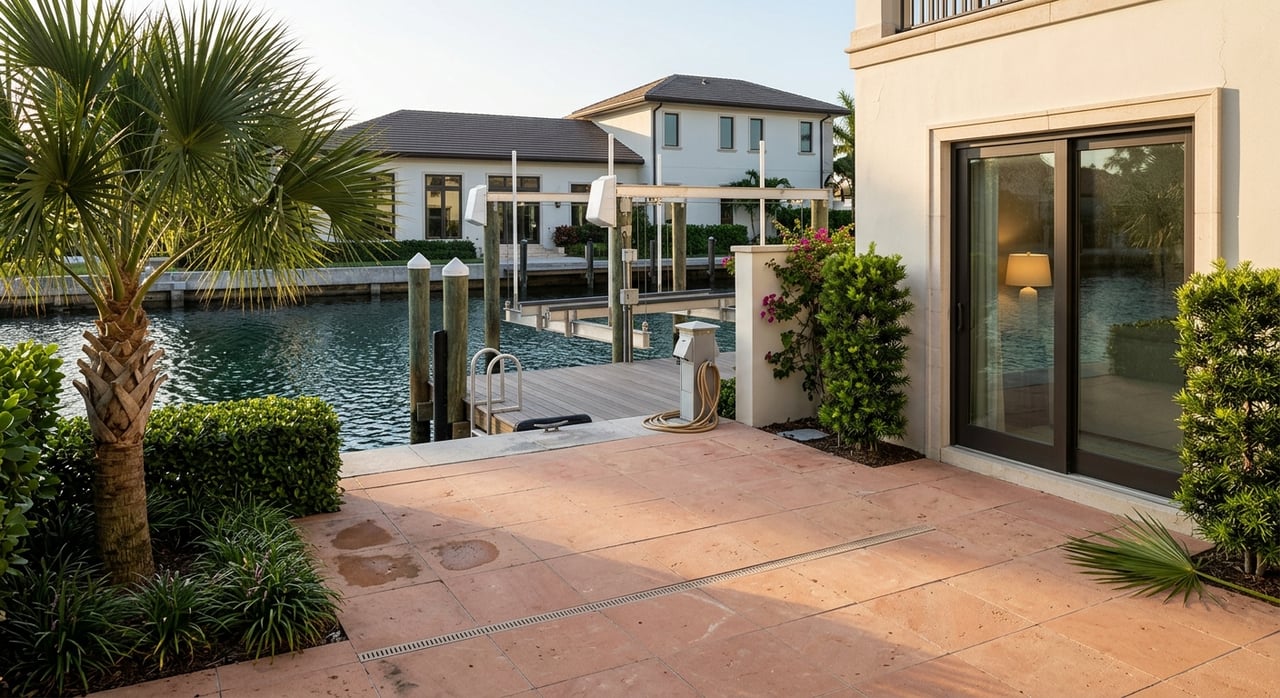
Have a licensed marine contractor evaluate your dock, lift motors, capacity, pilings, and marine electrical bonding. Buyers often treat dock and lift condition as a dollar-for-dollar negotiation item. A focused check of seawall, dock, and lift items before you list helps you price and plan repairs with confidence. See a helpful overview of common issues in this guide to seawall, dock, and lift checks before listing a home in the region. (resource)
Seawall and tiebacks
Request an engineering assessment that documents cracking, settlement, undermining, or exposed tiebacks. Provide any prior reports or repair invoices. For cost context, regional pricing for seawalls varies widely based on materials, access, and anchoring, and complex projects can reach high five to six figures. Review these seawall cost factors to set expectations. (resource)
Insurance-related inspections
If your home is older, a 4-Point inspection and a Wind Mitigation inspection can affect coverage and premiums. Presenting a recent wind-mitigation form may qualify buyers for credits and lower perceived risk. Learn how 4-Point and wind-mitigation inspections impact Florida insurance. (overview)
Elevation certificate or survey
If your home is in or near a Special Flood Hazard Area, an elevation certificate helps insurers estimate flood premiums under NFIP Risk Rating 2.0. Having this ready often speeds underwriting and buyer decisions. Read FEMA’s definition of an elevation certificate. (FEMA)
Permits and records
Collect all building, dock, and seawall permits, engineering letters, and invoices. Pinellas County regulates dock and seawall siting, depth, and construction, so having permits handy reassures buyers that shoreline structures meet local code. Review Pinellas County’s docks and seawalls code section for context. (Pinellas County Code)
Fix the waterfront first
Waterfront structures carry the most inspection risk and the highest value impact. Prioritize anything that touches water.
Choose your repair strategy
You have two good options. Complete essential structural repairs with permits before listing. Or gather an engineer’s report plus two contractor bids and disclose clearly. Both paths work. Completing permitted work up front tends to reduce renegotiations and can support stronger pricing. A pre-listing seawall, dock, and lift review helps you choose the right approach. (guide)
Budget ranges to expect
- Seawall work: Costs range from mid-to-high thousands up to six figures for complex replacements, depending on materials, access, and anchoring. (cost factors)
- Dock and lift: Minor repairs are often in the low-to-mid four figures. Full replacements or repowering can reach five to six figures, especially with electrical upgrades. Document last service dates for lifts in your packet.
Plan for permits in Pinellas
Understanding jurisdiction keeps your timeline realistic.
Local rules and siting
Pinellas County requires permits for most dock and seawall work and sets environmental and navigational limits, including depth criteria at mean low tide. Confirm which rules apply to your specific property. (Pinellas County Code)
State and federal reviews
Some activities can trigger Florida DEP or U.S. Army Corps of Engineers review. Many single-family docks proceed under programmatic permits, but major repairs, seawall replacements, or dredging may take weeks or months. Review the Corps’ programmatic permit notice for Pinellas County to understand timelines. (USACE notice)
Environmental considerations
Seagrass, mangroves, manatee protection areas, and aquatic preserves can influence what you can build or replace. Tampa Bay has seen documented seagrass declines, which increases scrutiny. In some cases, living-shoreline solutions may be preferred. (environmental context)
Present the lifestyle buyers want
Your goal is to sell confidence and a lifestyle. Strong presentation does both.
Staging that moves price
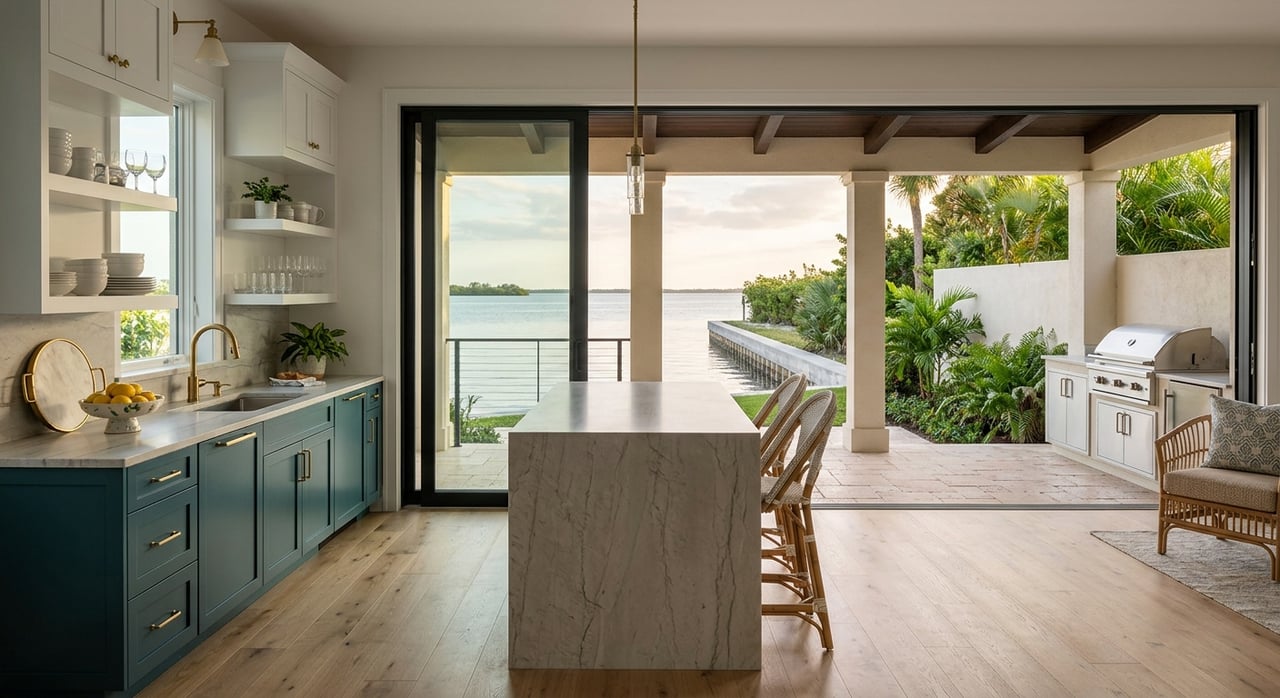
The National Association of Realtors finds that staging helps buyers visualize a property and can modestly improve offers and time on market. For premium waterfronts, consider partial-to-full staging outside too, including the lanai and dock area, to spotlight outdoor living. Review the NAR Profile of Home Staging for data and ideas. (NAR report)
Photography, twilight, and drone
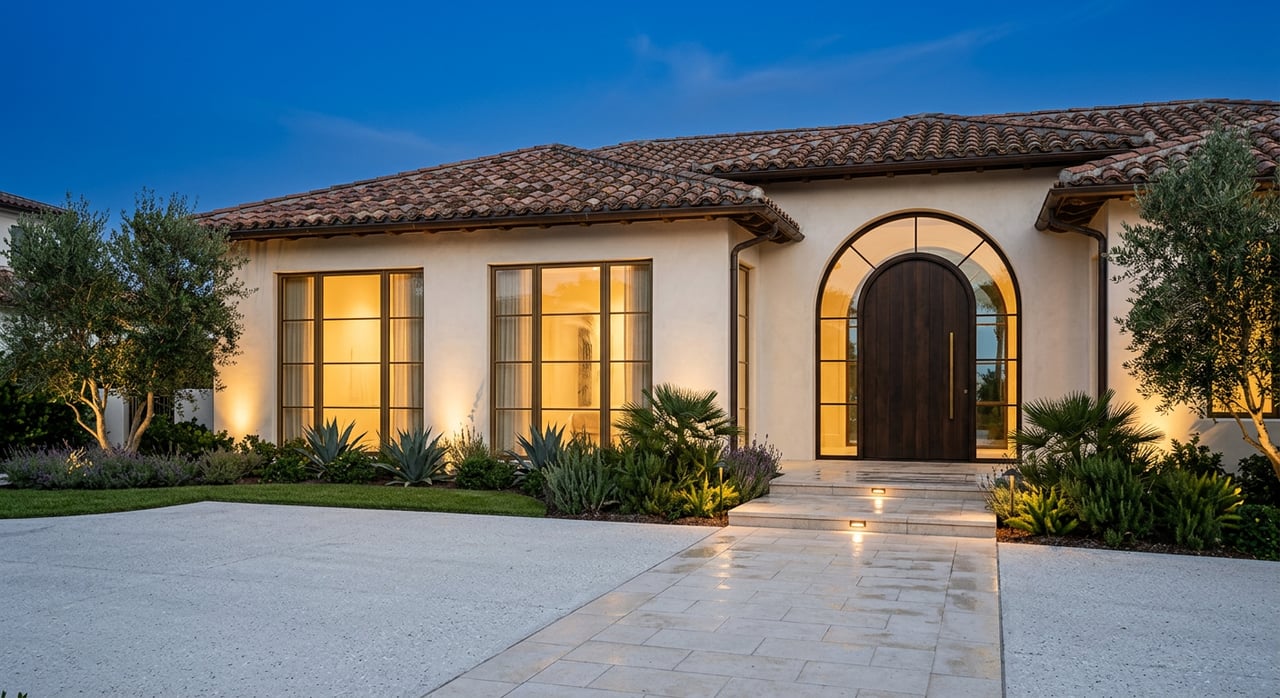
Invest in high-resolution interior and exterior photography, including twilight shots that showcase water views and landscape lighting. Add licensed drone photography and a short aerial video to highlight the waterline, dock configuration, and Gulf access context. Commercial drone work must follow FAA rules and be shot by a Part 107 certified pilot with Remote ID compliance. (FAA guidance)
For budgeting, luxury photo packages often run about 300 to 1,500 dollars, with aerial add-ons commonly a few hundred dollars more. Market rates vary by operator and deliverables. (pricing overview)
What to highlight in your listing
- Dock length, slip count, lift type and rated capacity.
- Measured water depth at mean low tide if known, plus any fixed bridge clearances en route to open water.
- Resiliency features such as impact windows or shutters, roof year and permits, and wind-mitigation details.
- Copies of dock and seawall permits and recent engineering letters.
Build a clean listing packet
Serious buyers and their insurers want documentation. Create a short digital packet with:
- Full home, WDO, dock, lift, and seawall reports.
- 4-Point and Wind Mitigation inspections where applicable. (overview)
- Elevation certificate or recent survey. (FEMA)
- Copies of dock and seawall permits, repair invoices, and any warranties. (Pinellas County Code)
- HOA or POA documents if applicable, plus any recorded easements or shared-wall agreements.
Sample 8-week prep timeline
Use this as a planning framework and adjust for contractor availability and permit needs.
- Weeks 0 to 1: Gather deed, survey, prior permits, insurance declarations, and any old inspection reports. Pull neighborhood comps and discuss pricing strategy.
- Weeks 1 to 3: Order inspections. Home, WDO, wind mitigation and 4-Point if needed, dock and seawall assessments, and an elevation certificate or survey if in or near a flood zone. Start minor repairs.
- Weeks 3 to 6: Decide which repairs to finish pre-listing versus disclosing with bids. If seawall or major dock work is needed, factor possible permit lead time of several weeks or more. Obtain written bids and an engineer’s letter. (USACE notice)
- Weeks 5 to 7: Install staging and schedule pro photography with aerials and twilight. Build the digital brochure and features sheet tailored to boaters.
- Week 8: Go live. Time private showings and open houses to take advantage of favorable light and tides when possible.
Pricing and negotiation prep
Buyers will press on a few known pressure points. Prepare clear answers and documents.
- Seawall and dock condition: Provide your engineer’s assessment plus at least one contractor bid. If work was completed, include permits and paid invoices.
- Flood zone and insurance: Share the elevation certificate and recent 4-Point and wind mitigation reports. Clarify any past flood claims if known. (FEMA) (overview)
- Shoreline permits: Disclose any unpermitted work and offer a remedy or permit path if needed. (Pinellas County Code)
- Boat access: Be ready to discuss depth at low tide, typical run time to open water, and any fixed bridge clearances.
Work with a concierge team
Selling a premium Tierra Verde waterfront home is about confidence, documentation, and standout presentation. A boutique, founder-led brokerage makes that process feel seamless. With premium marketing such as professional photography, virtual tours, staging support, and a Luxury Listings Magazine, you can position your home to capture attention and drive strong terms.
If you are considering a sale, let’s map your custom prep plan, from inspections to final presentation. Connect with Melody Stang to start your concierge path to market.
FAQs
What inspections do I need before listing a Tierra Verde waterfront home?
- Complete a home and WDO inspection, a dock and lift assessment, a seawall engineering review, and insurance-related inspections such as wind mitigation and 4-Point where applicable.
How do permits work for docks and seawalls in Pinellas County?
- Pinellas County regulates siting and construction, and some projects also require Florida DEP or U.S. Army Corps review, so build in extra time for approvals. (Pinellas County Code) (USACE notice)
How can I estimate flood and wind insurance costs on a waterfront home?
- Gather an elevation certificate, plus wind mitigation and 4-Point reports, then consult insurers for quotes that reflect those credits and your home’s elevation. (FEMA) (overview)
What staging and media produce the best ROI for luxury waterfront listings?
- NAR research shows staging helps buyers visualize, so focus on key living areas and outdoor spaces, then add high-end photos, twilight shots, and licensed drone work. (NAR report) (FAA guidance)
How long should I plan to prepare my Tierra Verde waterfront home to sell?
- Many sellers follow a six to eight week plan that covers inspections, essential fixes or bids, staging, and professional media so the listing debuts complete and compelling.