If you are looking at Old Southeast as a rental play, the biggest question is not whether the neighborhood is appealing. It is why renters are drawn there and what type of rental strategy actually fits the area. In a neighborhood known for bayfront access, historic character, and a strong local identity, understanding demand starts with lifestyle and ends with the rules. Let’s dive in.
Old Southeast appeal starts with setting
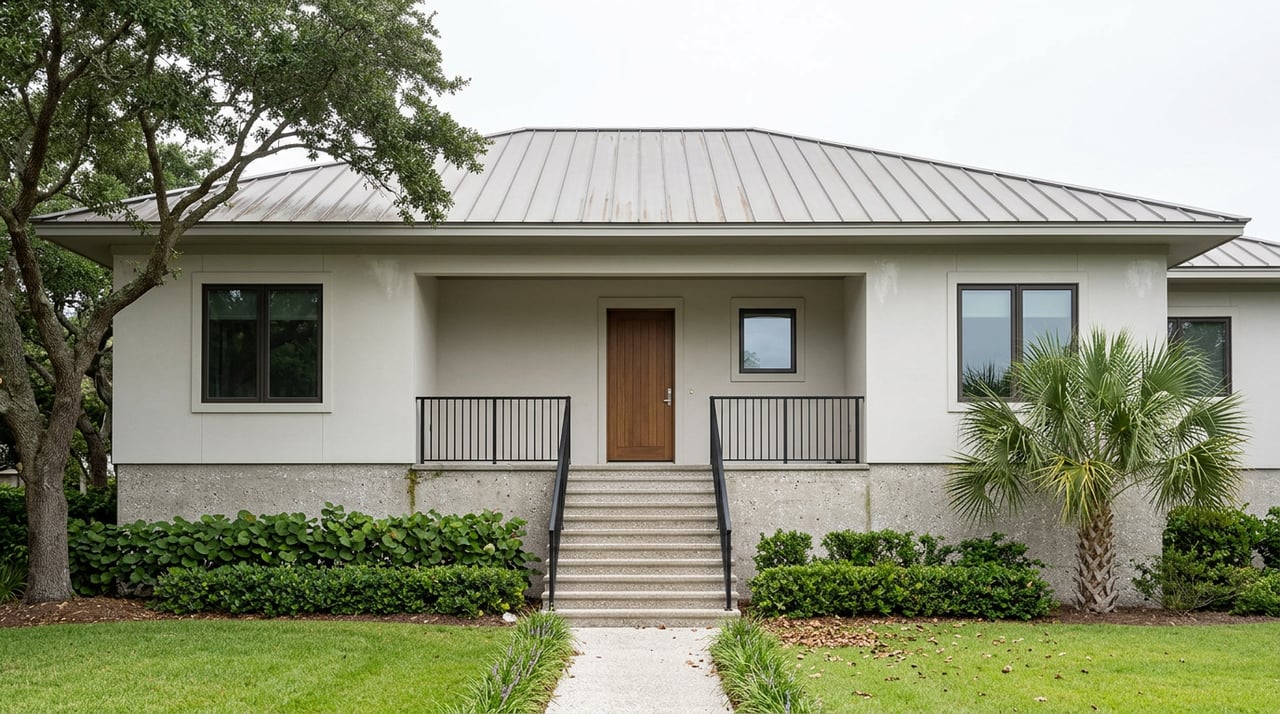
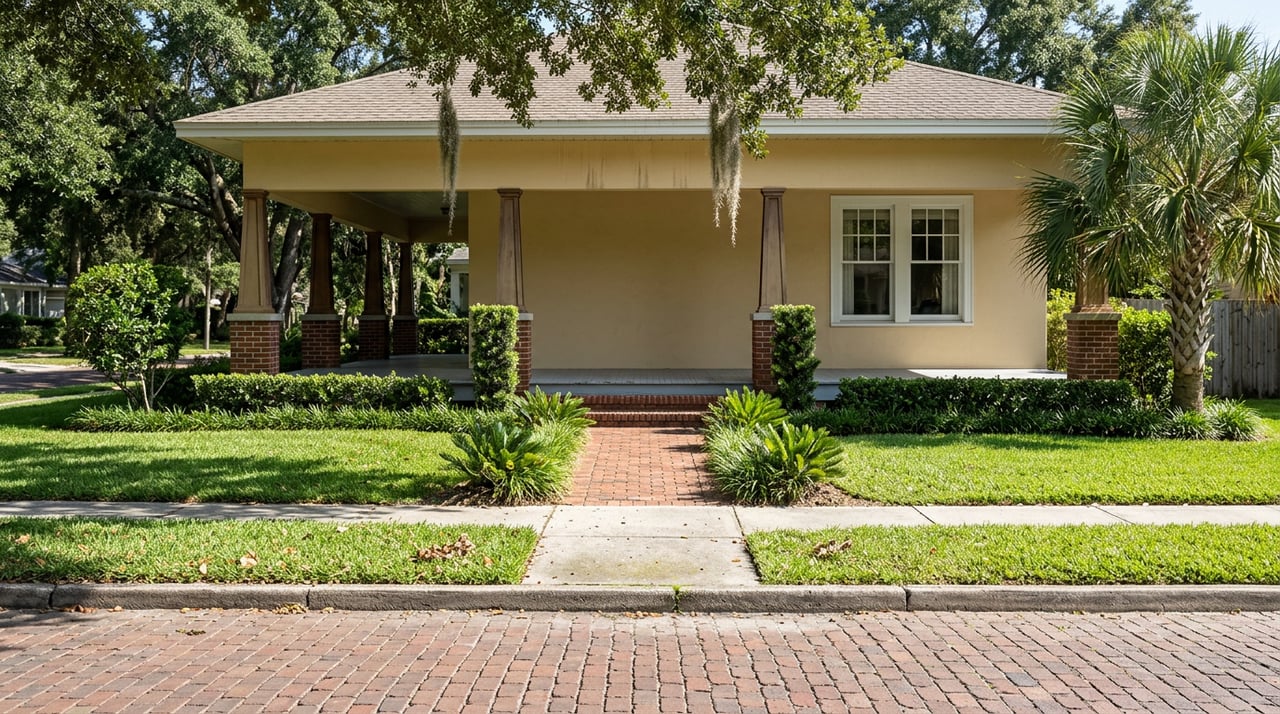
Old Southeast sits just south of downtown St. Petersburg along Tampa Bay, giving you a location that feels residential while still keeping daily destinations close by. The neighborhood association describes it as a compact area of about 500 homes, mostly single-family residences, with many homes built between the 1920s and 1950s and later restored or updated.
That mix creates a very different rental story than you might see in a newer, more uniform area. Here, the appeal comes from the neighborhood itself, including brick streets, hexagon block sidewalks, mature homes, and a streetscape that feels established and distinctive.
For many renters, that character matters. They are not only choosing square footage or bedroom count. They are choosing a setting that feels connected to St. Petersburg’s waterfront history and everyday coastal lifestyle.
Bayfront access adds real value
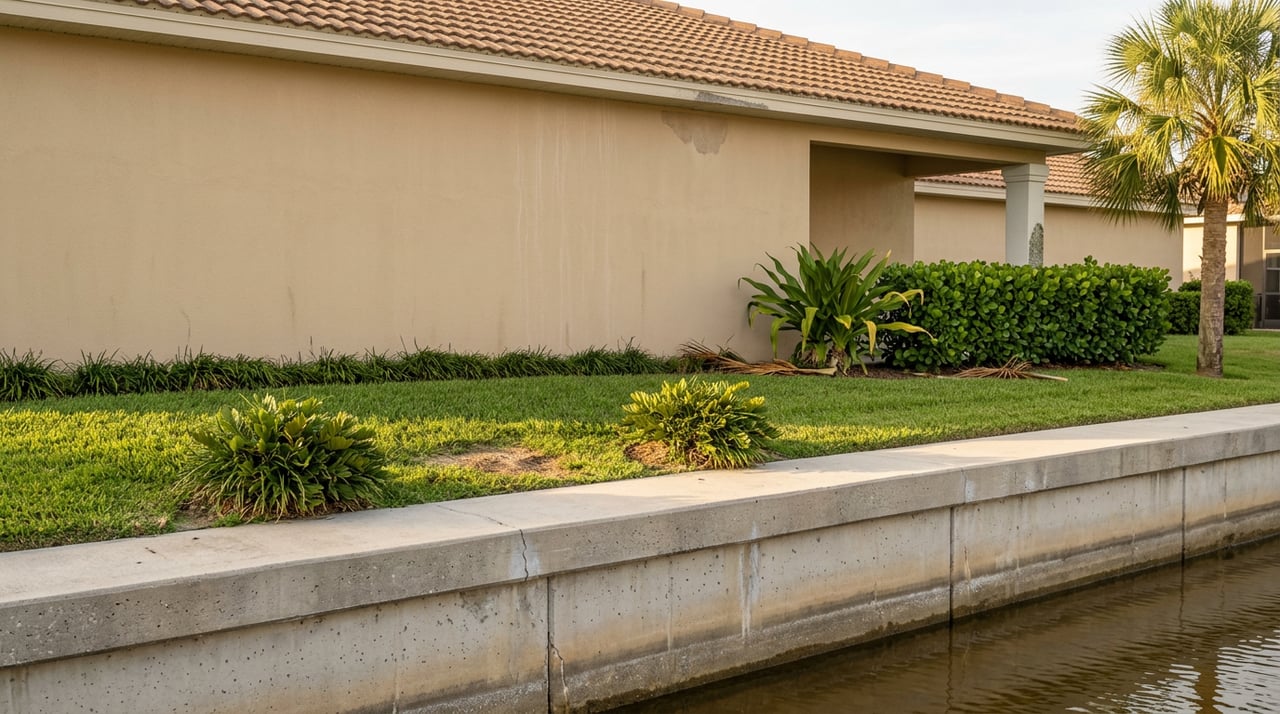
Lassing Park is one of the clearest reasons Old Southeast stands out. The neighborhood association identifies it as the waterfront anchor along the east side of the neighborhood, offering direct bayfront access and open water views.
That kind of access can shape rental demand in a meaningful way. Renters who value outdoor time, morning walks, paddleboarding, open green space, or simply being near the water may see Old Southeast as more than just a place to live. They may see it as part of the lifestyle they want.
The city’s 2021 shoreline project at Lassing Park also shows that this waterfront edge is an active civic priority. The project was designed to stabilize about 700 feet of eroding shoreline and improve habitat, which highlights both the value of the bayfront setting and the practical realities of owning near the water.
Walkability supports renter interest
Old Southeast also benefits from being close to downtown without feeling like downtown. According to the neighborhood association, the area is less than a 20-minute walk from downtown by way of Salt Creek, Bayboro Harbor Marina, and the USF St. Petersburg campus.
That matters if you are trying to understand who may want to rent here. A renter can enjoy a quieter residential setting while still having practical access to the downtown waterfront, local businesses, and nearby activity centers.
The neighborhood association also points to spots like Old Southeast Market and The Chattaway within walking distance. That everyday convenience can make the neighborhood especially appealing to renters who want a more lived-in, local experience rather than a purely high-density urban one.
Creative identity helps Old Southeast stand out
Old Southeast has a documented arts identity that adds another layer to its rental appeal. In 2014, St. Petersburg City Council established the Old Southeast Artist Enclave Overlay District, and the neighborhood association says the designation allows artists to use residences as work studios, artist lofts, galleries, and instructional spaces.
This is not a generic branding label. The neighborhood association notes that Old Southeast is one of only two St. Petersburg neighborhoods with this designation, and a 2024 studio tour featured 19 artists across 15 working studios.
For renters, this kind of identity can be a draw even if they are not artists themselves. It signals a neighborhood culture shaped by creativity, community events, and local character. That can make Old Southeast attractive to people who want a home in a place with personality and visible neighborhood involvement.
The strongest demand may be lifestyle-driven
When you put the pieces together, Old Southeast’s rental appeal appears to be lifestyle-driven rather than turnover-driven. The neighborhood offers historic homes, bayfront park access, walkability to downtown, and a visible arts culture.
That mix may attract renters who want to stay long enough to enjoy the neighborhood as residents, not just visitors passing through for a few nights. Seasonal residents, longer-term tenants, and owner-occupants who want future flexibility may all see value in that setup.
This is an important distinction if you are evaluating a purchase. In Old Southeast, the neighborhood story supports stable residential appeal, but that does not automatically translate into a high-turnover short-stay model.
Short-term rental rules matter here
If you are considering a property in Old Southeast, the city’s rules should be part of your analysis from day one. St. Petersburg’s planning handout states that a residential property may be rented for fewer than 30 days only three times within any consecutive 365-day period without becoming a transient accommodation use.
If the property is used more often than that, it must operate as a licensed hotel or motel or be located in an approved Resort Facilities Overlay district. The city also says it does not currently have a specific short-term rental use in its land development regulations and does not plan to add one outside the overlay framework.
In practical terms, that means a nightly rental model is not a simple fit for a typical residential house here. If you are underwriting a purchase based on frequent short stays, you need to confirm exactly what is allowed before making assumptions.
Longer stays often fit better
A stay of 30 days or more falls outside the city’s transient-accommodation threshold. That is why monthly or seasonal leasing is often much easier to structure than a nightly turnover model in Old Southeast.
For many buyers and small investors, that makes the neighborhood a better match for a furnished seasonal stay or a longer-term lease. This approach aligns better with the area’s residential character and with the city’s framework for rental use.
It also matches the neighborhood’s appeal. A renter who chooses Old Southeast is often drawn to the setting, the waterfront, and the community feel, which are qualities people tend to appreciate more over a longer stay.
State and county requirements still apply
If a property is rented as a vacation rental, state and county requirements may come into play. The Florida Department of Business and Professional Regulation says a vacation rental license is required when an entire unit is rented more than three times in a calendar year for periods of less than 30 days, or when it is advertised or held out to the public as regularly rented to guests.
Pinellas County says anyone collecting rent on living quarters for six months or less must register for a tourist development tax account, collect and remit the tax, and verify whether a booking platform is already doing so. The county also notes that the owner remains liable if the platform fails to collect and pay.
These are not small details. They affect how you budget, how you market the property, and how much risk you take on if you plan to rent for shorter periods.
Due diligence is especially important
Before you buy with rental income in mind, take time to verify the property-specific details. The research supports checking zoning status, reviewing any condo or HOA rules, and budgeting for insurance, maintenance, and parking management.
Those steps matter in any neighborhood, but they matter even more in a bayfront setting like Old Southeast. Waterfront exposure, upkeep, and site-specific conditions can influence both operating costs and day-to-day management.
A property may look ideal on paper because of the location, but the right decision comes from matching the asset to the rules and to the likely renter profile. That is where careful local guidance can make a real difference.
What rental appeal really means in Old Southeast
In Old Southeast, rental appeal is not mainly about chasing hotel-style volume. It is about offering renters access to a neighborhood with historic texture, waterfront recreation, downtown proximity, and a strong sense of place.
That can be very attractive, especially for tenants or seasonal residents who value character over uniformity. For buyers, it also means the most realistic opportunity may come from a property that supports longer stays and steady lifestyle-based demand rather than frequent short-term turnover.
If you are considering buying, selling, or repositioning a property in Old Southeast, the right strategy starts with understanding both the neighborhood story and the local rules. For tailored guidance on St. Petersburg lifestyle and waterfront real estate, connect with Melody Stang.
FAQs
What makes Old Southeast appealing to renters?
- Old Southeast appeals to many renters because of its bayfront location, Lassing Park access, historic homes, brick streets, walkability to downtown St. Petersburg, and visible arts and community culture.
Can you use a house in Old Southeast as a nightly rental?
- In St. Petersburg, a residential property may be rented for fewer than 30 days only three times within any consecutive 365-day period unless it qualifies as a licensed hotel or motel use or is located in an approved Resort Facilities Overlay district.
Are monthly rentals easier in Old Southeast?
- Yes. Stays of 30 days or more are outside the city’s transient-accommodation threshold, which makes monthly or seasonal leasing a more practical fit for many properties.
Do Florida vacation-rental licensing rules apply in Old Southeast?
- Yes. DBPR says a vacation rental license is required when an entire unit is rented more than three times in a calendar year for periods of less than 30 days, or when it is regularly advertised to guests.
What taxes should rental owners check in Pinellas County?
- Pinellas County says owners collecting rent on living quarters for six months or less must register for a tourist development tax account, collect and remit the tax, and confirm whether a booking platform is collecting it on their behalf.
What should buyers verify before purchasing a rental property in Old Southeast?
- Buyers should verify zoning status, review any condo or HOA restrictions, and budget for insurance, maintenance, parking management, and other property-specific operating costs before relying on rental income projections.