If you are searching for a St. Petersburg neighborhood that feels both scenic and rooted in history, Granada Terrace and Coffee Pot Bayou deserve a closer look. This pocket of 33704 offers a rare mix of waterfront views, preserved architecture, and a calm residential setting that still connects to the larger downtown waterfront. Whether you are thinking about buying a home or preparing to sell one, understanding what makes this area special can help you make smarter decisions. Let’s dive in.
Why Granada Terrace Stands Out
Granada Terrace is a local historic district in St. Petersburg’s Old Northeast area, set along the west side of Coffee Pot Bayou. City preservation guidelines define it as south of 22nd Avenue NE, west of First Street N, north of the alley between 25th and 26th Avenues NE, and east of the Coffee Pot Boulevard seawall.
That official footprint matters because it helps explain why the neighborhood feels so distinct. Granada Terrace is not just another waterfront pocket. It is a carefully designed historic district with a recognizable layout, preserved streetscape, and a strong sense of place.
A Neighborhood Shaped by the 1920s
Granada Terrace was platted in February 1924 by developer C. Perry Snell. Instead of following a standard suburban grid, the neighborhood was designed with curved streets, circular plazas, and landscaped parkways.
That planning still shapes the experience today. As you move through the area, the layout feels more intentional and more visually interesting than many nearby blocks. The neighborhood was promoted as a prestige subdivision within the broader North Shore area, with its waterfront setting playing a major role in its early appeal.
Coffee Pot Bayou Adds Everyday Waterfront Appeal
The relationship to Coffee Pot Bayou is one of the biggest reasons buyers are drawn to this area. Granada Park runs from 1st Street NE toward the water and opens into a large semicircular vista with a pergola, benches, and a concrete terrace stepping down toward the bayou.
That waterfront edge gives the neighborhood a promenade-like character. Coffee Pot Boulevard parallels the shoreline, creating a scenic corridor that adds to the area’s open feel and visual charm. For buyers who care about atmosphere as much as square footage, this setting can be a major part of the value.
Outdoor Access Extends Beyond the Bayou
Coffee Pot Park adds practical recreation nearby. The park includes a usable boat ramp, docks, restrooms, a picnic area, and parking, and it is managed by the City of St. Petersburg Parks and Recreation.
This kind of access broadens the lifestyle appeal of the area. Even if you are not looking for direct waterfront ownership, being close to public water access and shoreline amenities can shape how you use the neighborhood day to day.
Part of a Larger Waterfront Corridor
Granada Terrace also benefits from its place within a broader connected waterfront system. St. Petersburg’s Downtown Waterfront Master Plan stretches from Northeast Exchange Club Coffee Pot Park on the north end to Lassing Park on the south end, spanning nearly seven linear miles.
That bigger context matters for both buyers and sellers. It reinforces that Granada Terrace is part of a well-known waterfront corridor rather than an isolated historic enclave. For many buyers, that combination of neighborhood identity and broader connectivity is especially appealing.
Home Styles Define the Neighborhood
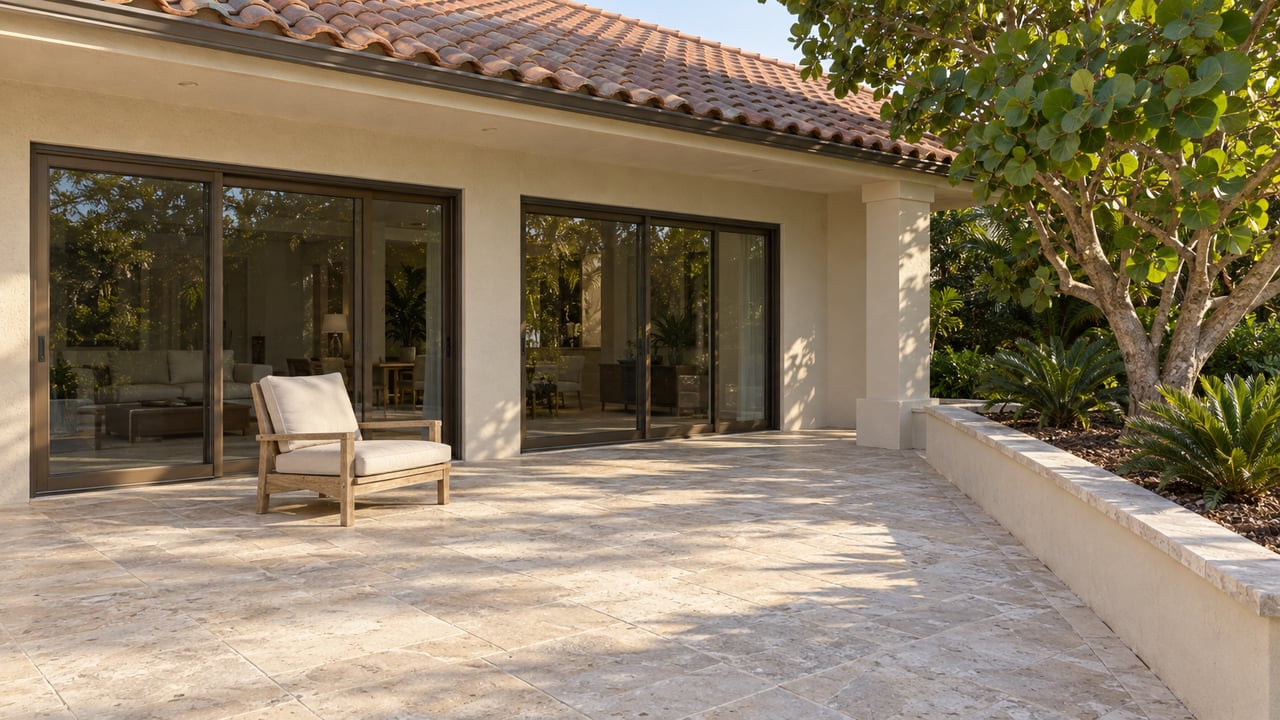
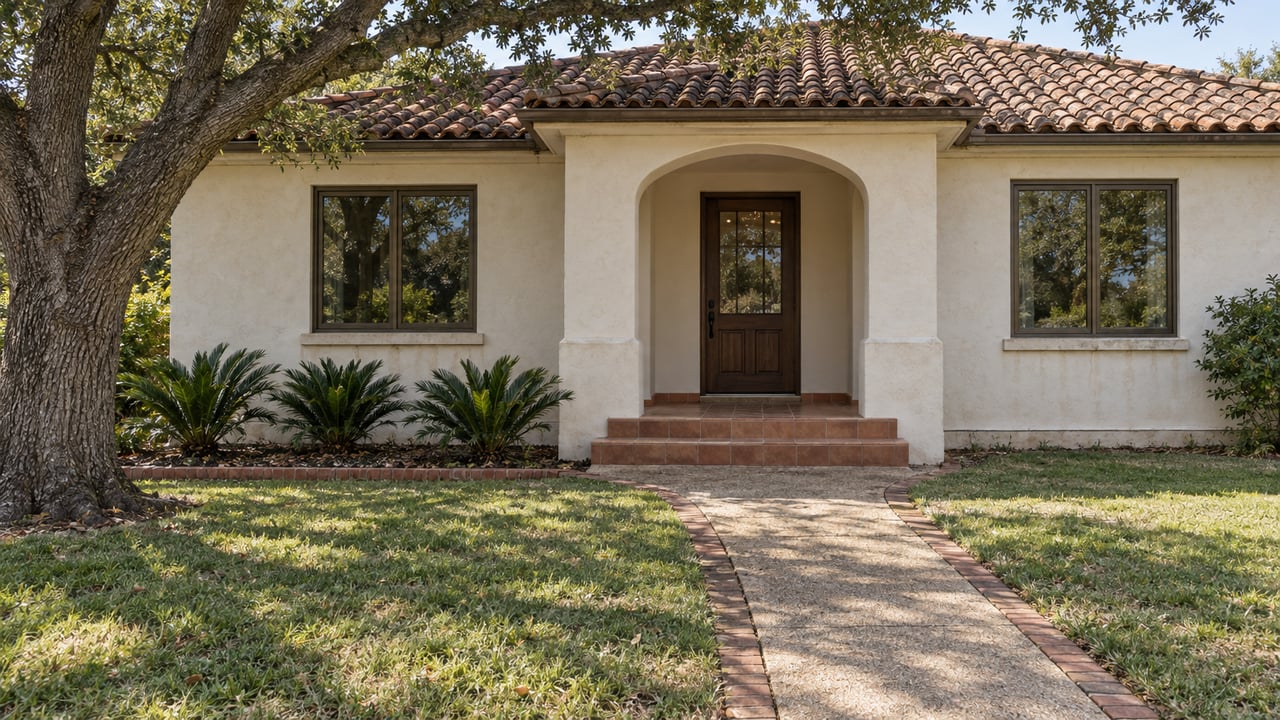
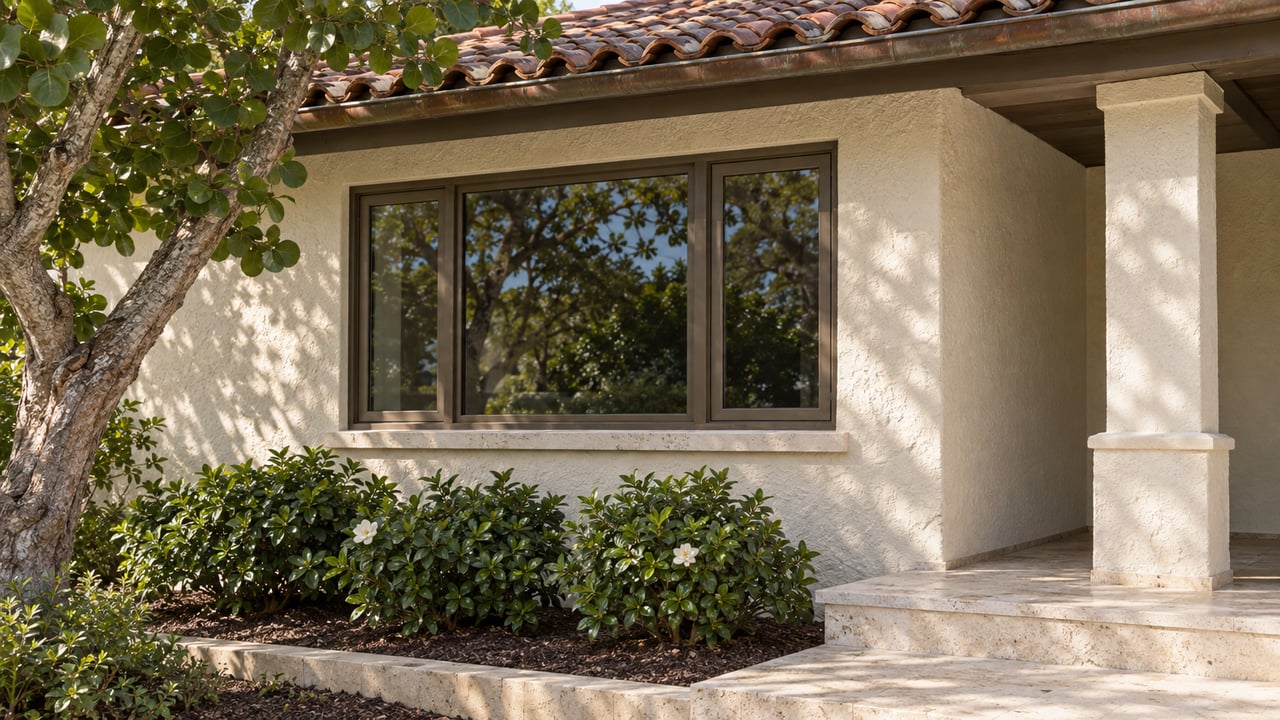
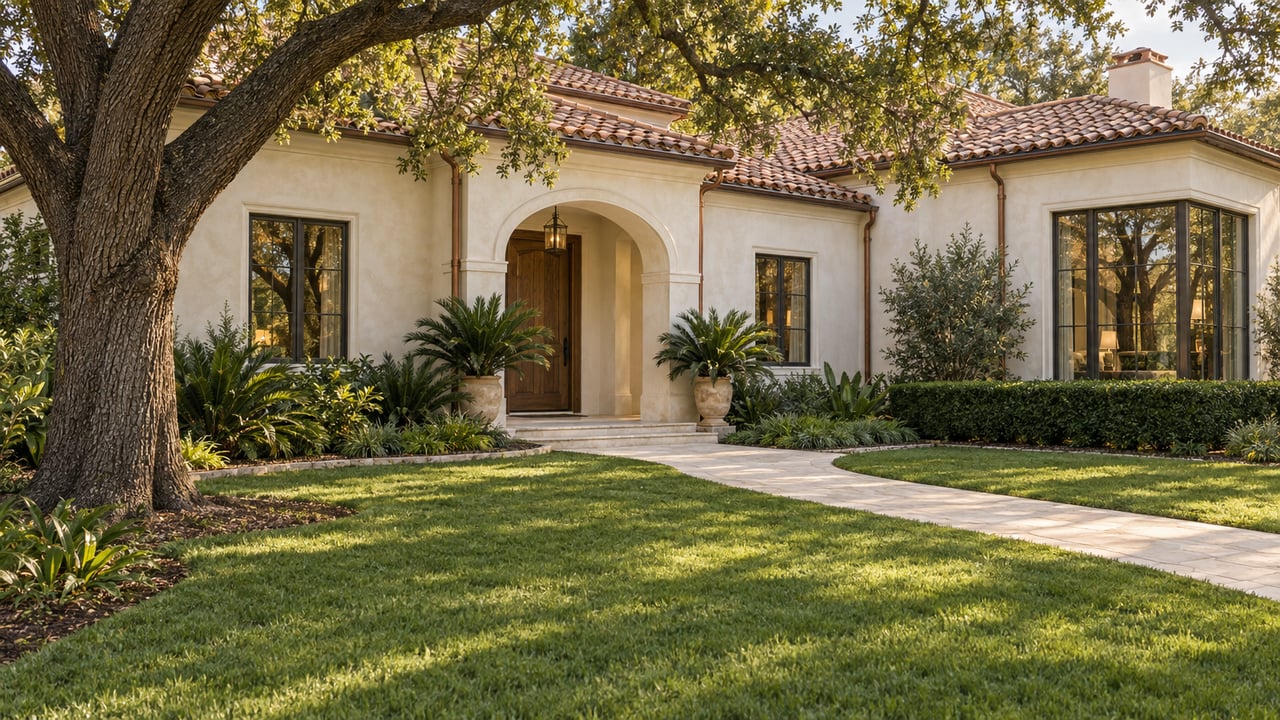
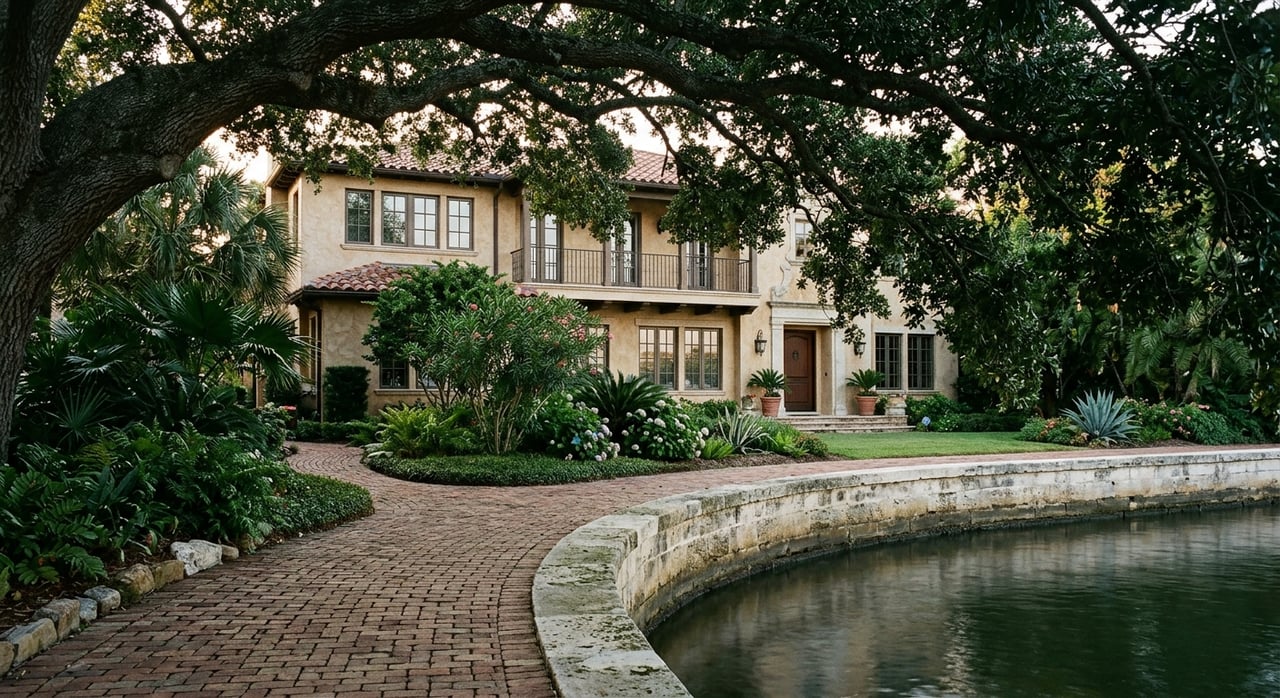
Granada Terrace is most closely associated with custom Mediterranean Revival homes. City design guidelines note that original deed restrictions favored this style, and many historic homes feature stucco exteriors, low-pitched red clay barrel-tile roofs, arched openings, wrought-iron details, loggias, balconies, and detached rear garages.
These details give the neighborhood its visual consistency and old-Florida character. If you are buying here, it helps to appreciate that the architecture is part of the area’s value. If you are selling, these architectural features often become key parts of the home’s story and presentation.
The Streetscape Matters Too
In Granada Terrace, the surroundings are part of the appeal, not just the homes themselves. Official guidelines describe red-brick streets, concrete sidewalks separated from the road by a five-foot parkway, white-painted corner pylons, and landscaping shaped by oak shade trees and subtropical plantings.
That combination creates a strong first impression. It also helps explain why the neighborhood feels preserved and cohesive. Buyers often respond to that sense of character long before they step inside a home.
How Granada Terrace Fits into Old Northeast
Granada Terrace sits within the larger historic fabric of the North Shore area, where a range of architectural styles appear, including Frame Vernacular, Bungalow, Colonial Revival, Prairie, Mission, Minimal Traditional, Ranch, and Monterey homes. Even with that wider mix nearby, Granada Terrace keeps a clear identity of its own.
Its strongest visual link remains Mediterranean Revival design paired with waterfront-oriented planning. For buyers comparing different parts of Old Northeast, this distinction can help narrow what kind of setting and home style best fits their goals.
What Buyers Should Know
For buyers, Granada Terrace offers a balance that can be hard to find. It feels residential, low-rise, and park-oriented, yet it remains closely tied to the Old Northeast and the downtown waterfront edge.
That balance can appeal to people who want a scenic and established neighborhood without feeling removed from the city’s larger waterfront environment. The combination of historic character, bayou access, and connected outdoor spaces can support a lifestyle-driven home search.
There is also an important practical point to keep in mind. Granada Terrace is a locally designated historic district, and St. Petersburg code states that certain work in historic districts requires a certificate of appropriateness.
That does not mean ownership is complicated, but it does mean you should plan thoughtfully if you are considering exterior changes or additions. The preservation framework helps protect neighborhood character, which many buyers value, but it is best to understand that review process early.
What Sellers Can Highlight
If you are selling in Granada Terrace or near Coffee Pot Bayou, the location story is one of your strongest assets. Buyers are not only looking at the house itself. They are also evaluating the waterfront setting, the historic identity, the distinctive street design, and the connection to the broader St. Petersburg waterfront.
That is why presentation matters so much in this part of the market. Architectural details, landscaping, outdoor spaces, and the home’s relationship to the street or waterfront setting can all influence how buyers perceive value.
In a neighborhood with this much built-in character, polished marketing can help a property stand out for the right reasons. Strong photography, thoughtful staging, and neighborhood-specific positioning are especially important when buyers are making lifestyle decisions as much as financial ones.
Why Local Expertise Makes a Difference
Neighborhoods like Granada Terrace are rarely sold well through generic marketing. Buyers want context. They want to understand the difference between a home near the bayou, a home deeper within the historic district, and a home in the surrounding Old Northeast area.
That is where local knowledge becomes valuable. A boutique brokerage with experience in St. Petersburg’s waterfront and historic neighborhoods can help buyers assess fit and help sellers present their homes with more precision and confidence.
If you are considering a move in Granada Terrace, Coffee Pot Bayou, or the surrounding 33704 area, working with a local specialist can help you see both the property and the neighborhood more clearly. For tailored guidance on buying or selling in St. Petersburg’s waterfront neighborhoods, Melody Stang offers founder-led, concierge service rooted in deep local market knowledge.
FAQs
What is Granada Terrace in St. Petersburg?
- Granada Terrace is a locally designated historic district in St. Petersburg’s Old Northeast area along the west side of Coffee Pot Bayou, known for its historic planning, Mediterranean Revival homes, and waterfront setting.
What makes Coffee Pot Bayou appealing to homebuyers?
- Coffee Pot Bayou adds scenic waterfront views, access to nearby parks and boating amenities, and a strong connection to St. Petersburg’s larger waterfront corridor.
What architectural style is common in Granada Terrace?
- Granada Terrace is most strongly associated with Mediterranean Revival homes, with common features such as stucco exteriors, red clay barrel-tile roofs, arched openings, balconies, and wrought-iron detailing.
What outdoor amenities are near Granada Terrace?
- Nearby amenities include Granada Park and Coffee Pot Park, which offers a boat ramp, docks, restrooms, picnic areas, and parking.
What should buyers know about historic district rules in Granada Terrace?
- Because Granada Terrace is a locally designated historic district, certain exterior work may require a certificate of appropriateness under St. Petersburg code.
Why is Granada Terrace different from other Old Northeast areas?
- Granada Terrace stands out for its curved streets, circular plazas, parkways, Mediterranean Revival character, and strong relationship to Coffee Pot Bayou’s waterfront edge.