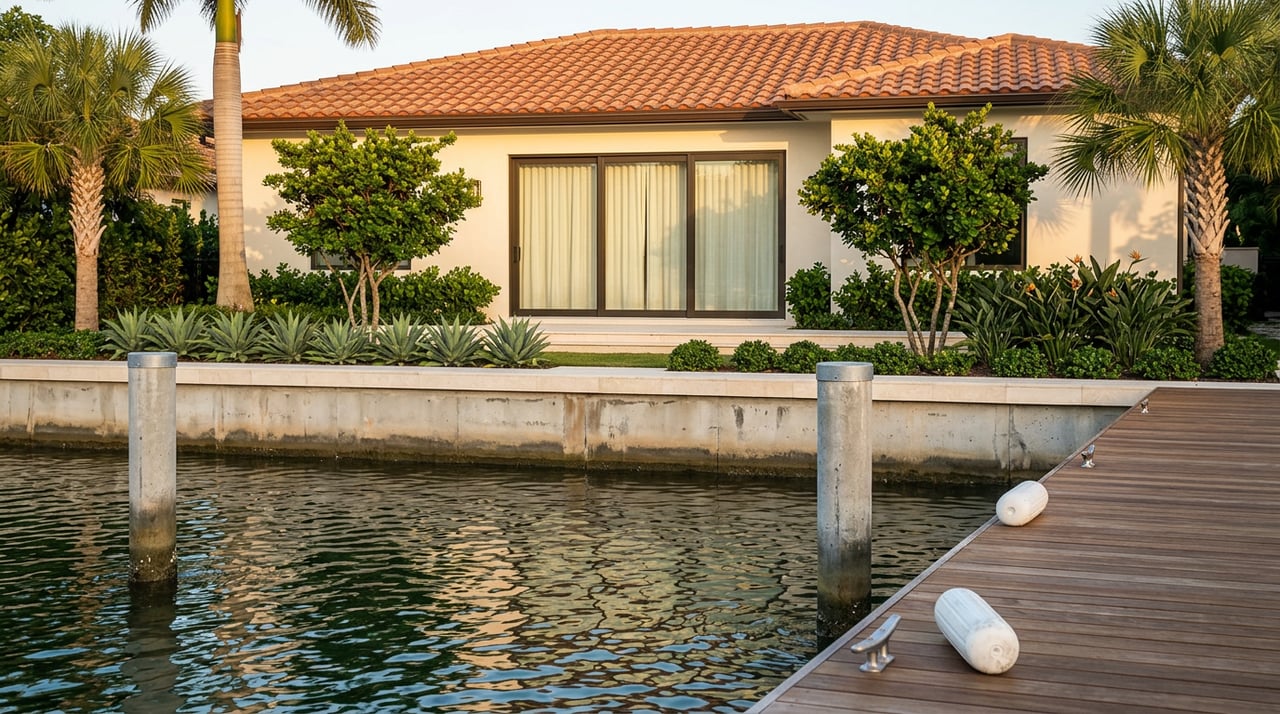
Two Venetian Isles homes can look almost identical on paper yet sell hundreds of thousands of dollars apart. If you have ever wondered why, the answer usually sits right at the seawall. In this neighborhood, canal location, water depth, and access shape both lifestyle and price. In this guide, you will learn how to read the water, what to verify before you write an offer, and how to position your property to command top dollar. Let’s dive in.
Why canals drive value
Venetian Isles is a deed-restricted, waterfront enclave built on dredged, man‑made isles with deep-water canals and private docks. Development began in the late 1960s and 1970s, and the neighborhood remains a primarily single-family waterfront community. Premium water access is the defining feature buyers pay for, not just square footage or finishes.
An active homeowners association and a Community Development District oversee standards and maintenance that protect curb appeal and waterway function. The CDD budget includes aquatic maintenance, shoreline restoration, drainage, and reserves, so part of waterway upkeep is handled at the community level. Review the CDD budget and HOA information to understand assessments and rules that apply to each property.
Neighborhood market snapshots in early 2026 placed typical values around the low to mid seven figures, with premium bayfront lots trading higher. While medians can shift month to month, the pattern is clear. Top canal positions and turnkey waterfront improvements elevate value within Venetian Isles.
The canal factors that matter
Canal width and depth
Canal width and water depth determine what boats you can safely berth and how often you will enjoy the water without stress. Wider, deeper canals support larger vessels, reduce grounding risk at low tide, and make docking easier. For a specific lot, ask the listing agent for recent depth soundings or a marine survey, since “depth at low tide” varies by parcel and is not always in the MLS.
When you see “deep water” or “sailboat depth” in marketing, verify it. Confirm advertised depth, the canal’s tight turns, and any shallow spots near the mouth. Your comfort moving in and out of the canal on a typical weekend depends on these details.
Direct bay access
The fewer obstructions between your dock and Tampa Bay, the more usable and valuable the location is for boaters. Lots with a short, unobstructed route to open water rank higher for frequent cruising and for supporting larger boats. Homes tucked behind narrow spurs or multiple turns can sell at a discount compared with rim canals that offer quicker runs to the Bay.
Frontage and lot shape
Waterfront is measured in linear feet. Longer frontage increases privacy and gives you room for a dock, lift, pool, and outdoor living. Corner or island lots often allow more flexible dock placement and wider views. You can verify frontage and extra features like docks and seawalls on Pinellas County Property Appraiser parcel pages that list “DOCK,” “SEAWALL,” and measured shoreline length. See an example PCPAO record for how these features appear.
Seawall and dock condition
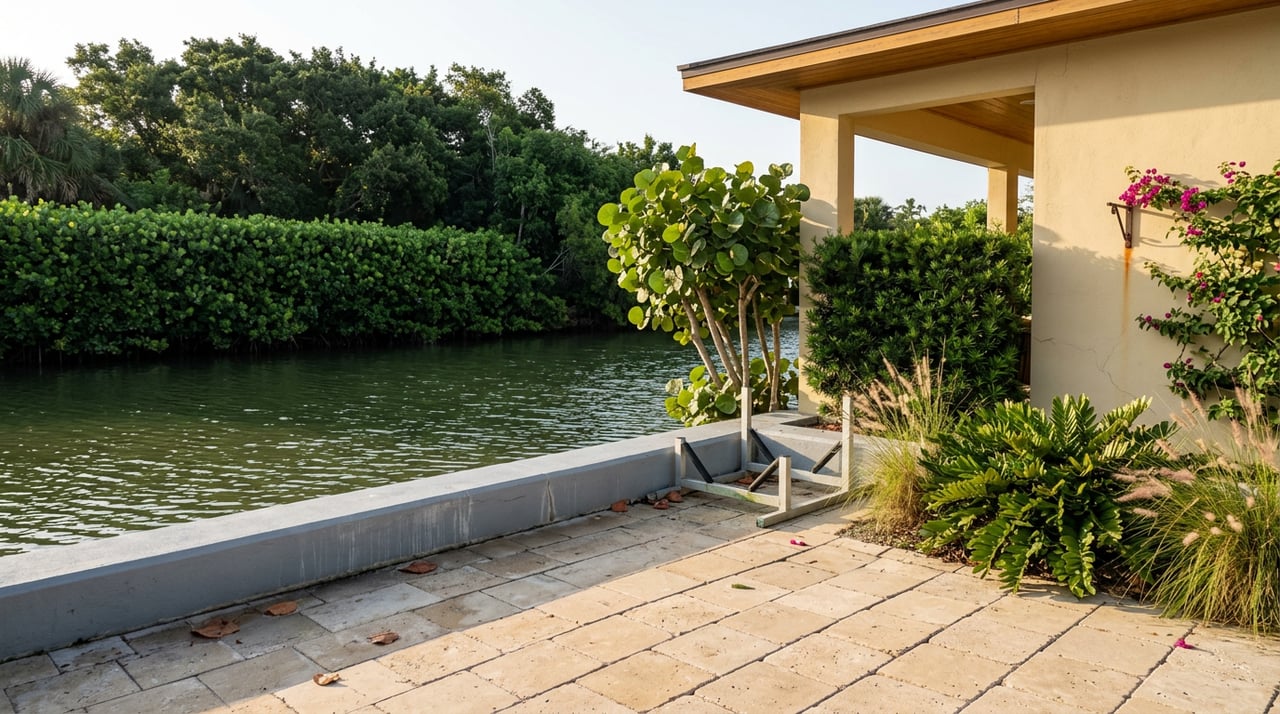
A sound seawall protects your home and yard. A failing wall or unpermitted dock reduces value because buyers see future costs and risk. While the CDD budgets for aquatic and shoreline work in common areas, private seawalls and docks are typically owner responsibilities. Review the CDD’s scope and budget and confirm permits and repair history for the specific property.
Industry estimates show seawall replacement can range from the low hundreds to over one thousand dollars per linear foot depending on materials and site complexity. That means many residential projects land in the tens of thousands to low hundreds of thousands. Treat these as illustrative ranges and obtain local quotes. You can review a contractor overview of costs here.
Streetscape and restrictions
Deed restrictions and active HOA/CDD oversight help maintain a cohesive streetscape and set standards for docks and shoreline work. This consistency supports higher baseline values and protects your investment. It also means you should expect assessments and must follow established rules. Start with the HOA portal and CDD budget to understand owner obligations.
Flood risk and insurance
Flood zones, Base Flood Elevations, and elevation certificates affect lender requirements and flood insurance premiums. Because Venetian Isles is coastal, this is a key cost factor. Check the parcel’s zone and any elevation certificate via PCPAO and verify on FEMA’s flood map page. Florida’s Citizens Property Insurance has phased-in rules for flood coverage that may apply based on replacement cost. Review program details with your insurer and visit Citizens Property Insurance for current guidance.
Water quality and ecology
Seasonal factors like red tide or algal blooms can affect recreation and perception in the short term. Buyers often ask about recent conditions before committing. For current advisories and local reporting, use the Tampa Bay Water Atlas as a reference.
How to compare two listings
Use this short checklist to compare canal positions and reduce surprises during due diligence.
Hard facts to verify
- Waterfront footage and measured shoreline length. Validate through PCPAO parcel pages that display frontage and extra features like DOCK or seawall. Use an example PCPAO record as a guide to fields.
- Canal depth at low tide and any stated canal width. If not in MLS, request a recent depth sounding or a marine survey via the listing agent.
- Dock and lift specifications. Note lift capacity, canopy or cover, age and permits. Confirm approvals in city or county permit portals linked from PCPAO pages.
- Seawall age, material, and last repair. Ask for inspection reports and clarify whether maintenance is an owner cost or if any portion is addressed by community programs in the CDD budget.
- Flood zone status and elevation certificate. Check PCPAO and verify on FEMA’s flood maps. Discuss lender requirements and projected flood premiums with your insurer.
Market and lifestyle factors
- View and orientation. Wider water or open Bay views and preferred rear exposure can increase desirability.
- Privacy and canal traffic. A main thoroughfare canal may bring more boat traffic and noise than a calm spur.
- Home upgrades that enhance waterfront living. Outdoor kitchens, pools, and smart dock layouts can raise the premium a lot commands.
What top-tier lots look like
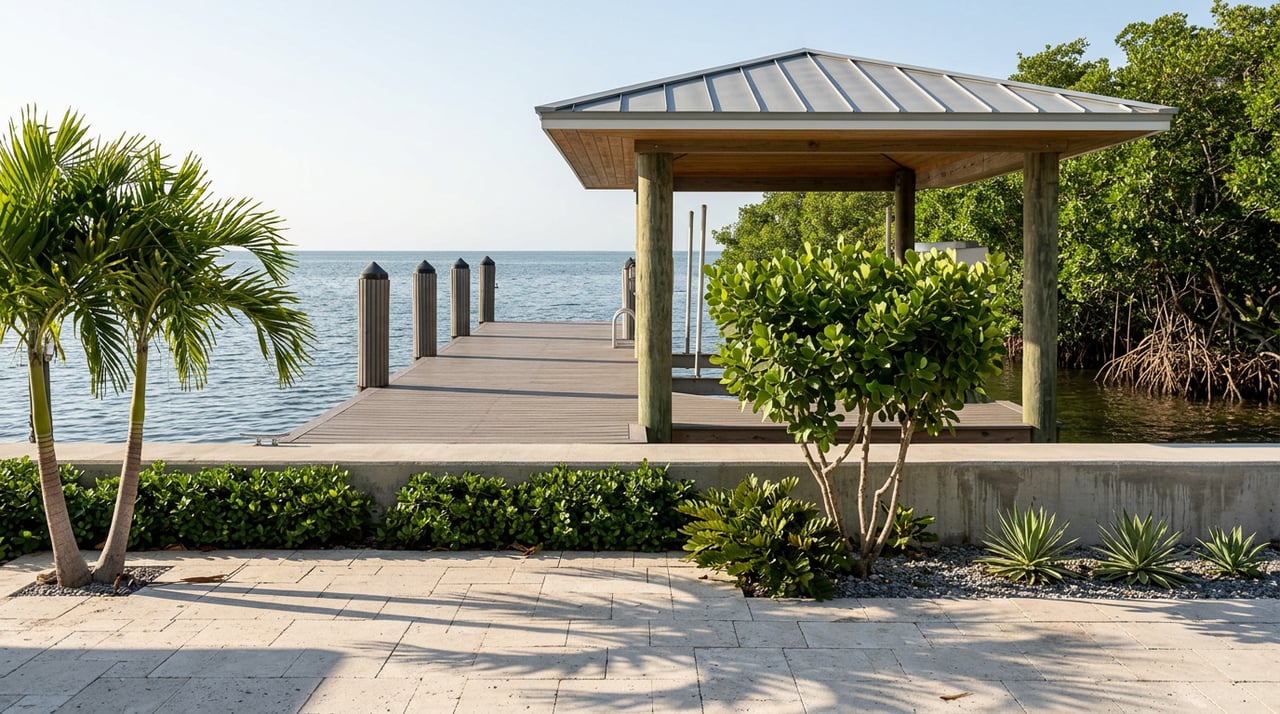
At the top of the market, you usually find a combination of wide and deep canal water, long usable frontage, a newer permitted seawall and dock that match the owner’s vessel, and flood and insurance factors that are well understood. When those are paired with newer construction or high-end renovations, prices can climb into the multi-million tier. As a reference point, a recent Venetian Isles sale with about 90 feet of deep-water Tampa Bay frontage reached the mid five million range, illustrating how premier frontage and finish can reset neighborhood highs.
Cost and risk to plan for
- Seawall and dock work. Replacement and significant repairs vary by site. Industry ranges often span from the low hundreds to over one thousand dollars per linear foot for seawalls, with many residential projects totaling tens of thousands to low hundreds of thousands. Treat any online estimate as directional only and get competitive local quotes. See an overview of cost drivers here.
- Permits and compliance. Docks, lifts, seawalls, and any work seaward of mean high water require permitting. Verify approvals and dates in city or county portals linked through PCPAO records. Unpermitted improvements can reduce value or delay closing.
- Flood insurance. FEMA designations drive lender requirements, and state program rules evolve. Check FEMA’s maps, consult your insurance professional, and review Citizens Property Insurance for program updates.
- Environmental events. Short-term advisories related to red tide or algae can affect boating and buyer perception. Monitor the Tampa Bay Water Atlas for recent conditions.
Buyer tips
- Start with the boat. List your vessel’s length, beam, and draft, then match canal depth and turning radius to your needs. If you plan to buy a larger boat, build that into your canal criteria now.
- Verify the waterfront math. Confirm frontage, dock configuration, and lift capacity against your intended use. Ask for depth soundings and any recent seawall inspection.
- Underwrite insurance early. Pull the flood zone, request the elevation certificate, and obtain preliminary quotes so premiums do not surprise you late in underwriting.
Seller tips
- Lead with the water story. Document canal depth at low tide, route to the Bay, turning room, lift specs, and recent seawall or dock work. Buyers pay a premium for clarity.
- Showcase usable frontage and orientation. Simple diagrams, drone photography, and clean outdoor staging help buyers visualize boating and outdoor living.
- Proactively gather permits and reports. Having permits, inspections, and elevation paperwork ready builds trust and can shorten time on market.
How to verify details fast
- Check parcel records. Use the Pinellas County Property Appraiser to confirm frontage, dock and seawall entries, and permit links. Here is an example PCPAO page to learn the layout of data fields.
- Confirm flood zone and elevation. Cross-check PCPAO with FEMA’s flood map tool and consult your lender and insurer early.
- Understand community obligations. Review the CDD budget for aquatic and shoreline line items and visit the HOA site for standards and contacts.
Ready to compare your options?
If you want a clear read on canal quality, frontage, and true boating access, you deserve guidance that lives at the parcel level, not just the neighborhood level. With a boutique, concierge approach and deep local knowledge, we help you weigh the right details and position your purchase or sale with confidence. For a personalized review of your property or target list in Venetian Isles, connect with Melody Stang to schedule a consultation.
FAQs
What canal features increase value in Venetian Isles?
- Depth at low tide, canal width and turning room, short and unobstructed routes to Tampa Bay, longer waterfront frontage, and newer permitted seawalls and docks.
How do I verify a home’s canal depth?
- Ask the listing agent for recent depth soundings or a marine survey and confirm any “deep water” claims; also evaluate the route to the Bay for shallow spots or tight turns.
What should I know about seawalls and docks here?
- Private seawalls and docks are usually owner responsibilities, so inspect condition, permits, and recent repairs; the CDD budgets for community-level aquatic items but not private walls.
How do flood zones affect buying in Venetian Isles?
- Flood zones impact lender requirements and insurance premiums; check the parcel on PCPAO, verify on FEMA’s flood maps, and obtain quotes early to avoid surprises.
What do HOA and CDD oversight mean for owners?
- Deed restrictions and CDD maintenance help preserve streetscape and waterway quality, which supports values; they also come with standards and assessments to budget for.
Do red tide or algae events affect property value?
- Short-term advisories can influence recreation and buyer perception; check recent conditions through the Tampa Bay Water Atlas and consider them in your timing and pricing.