What makes Historic Old Northeast feel so memorable the moment you turn onto its brick streets? It is not just the homes, and it is not just the waterfront. It is the way architecture, parks, porches, sidewalks, and daily routines all work together to create a neighborhood experience that feels distinct within St. Petersburg. If you are considering a move here, or simply want to understand what sets this area apart, this guide will walk you through the architecture, setting, and everyday lifestyle that define Historic Old Northeast. Let’s dive in.
Historic Old Northeast at a Glance
Historic Old Northeast is the local name for the North Shore Historic District, located just north of downtown St. Petersburg. According to the National Register nomination, the district is generally bounded by 4th Street on the west, Coffee Pot Bayou and Tampa Bay on the east, 30th Avenue on the north, and 5th Avenue on the south.
Its location helps explain much of its appeal. The neighborhood sits close to downtown while also being shaped by the waterfront, and the Historic Old Northeast Neighborhood Association describes that combination of parks, water access, and historic character as central to its identity.
How the Neighborhood Took Shape
Historic Old Northeast did not happen by accident. Early development included leveled land, added utilities, and a more intentional buildout of the area’s streets and public spaces.
HONNA notes that in 1910, developers expanded North Shore with trolley lines, seawalls, sidewalks, and a waterfront park. Those choices still influence how the neighborhood feels today, especially in the way daily life is oriented toward both walkability and the bayfront. HONNA also notes that the Vinoy’s restoration and reopening in 1992 helped renew interest in the surrounding historic homes.
Architecture Defines the Experience
One of the biggest draws in Historic Old Northeast is the variety of architectural styles. Instead of repeating the same home design block after block, the district offers a broad collection of early- to mid-20th-century homes that give the area texture and personality.
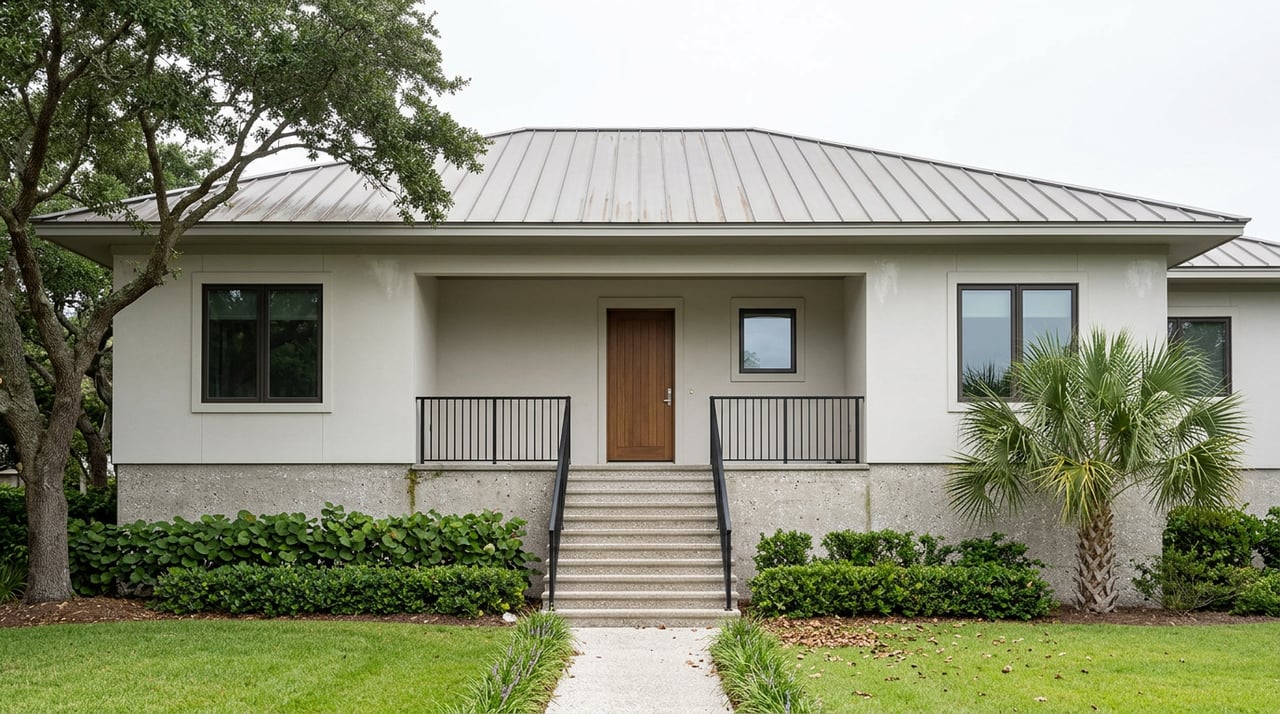
The National Register nomination highlights a high concentration of frame vernacular homes and bungalows, along with Colonial Revival, Mediterranean Revival, Prairie, Tudor Revival, Minimal Traditional, Ranch, Mission, Classical Revival, Art Moderne, Renaissance Revival, and Monterey examples. Most of the historic fabric dates from roughly the 1910s through the 1940s.
Why Architectural Variety Matters
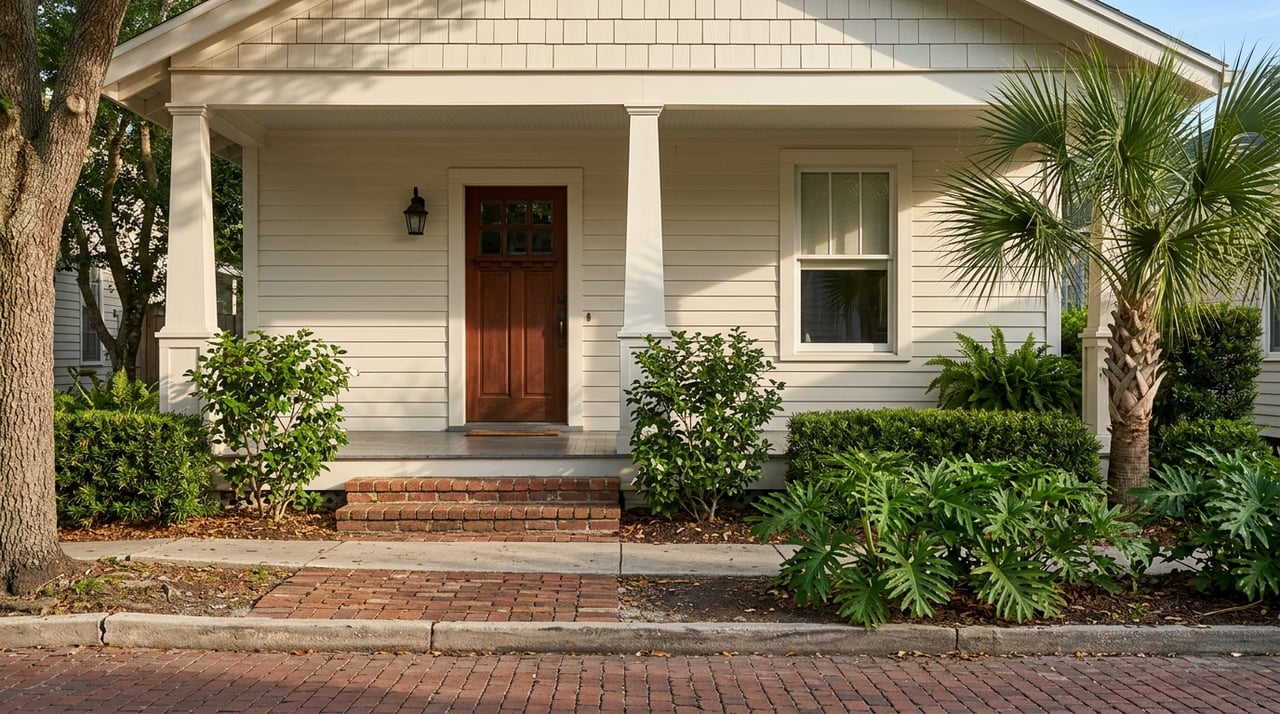
For you as a buyer, this variety often means the neighborhood feels layered rather than uniform. A quiet walk can reveal a bungalow with a welcoming porch, a Mediterranean Revival home with distinctive detailing, and a more restrained Minimal Traditional residence all within the same few blocks.
That range also shapes everyday life. The homes tend to feel individual, and the neighborhood has a sense of visual rhythm that comes from age, craftsmanship, and incremental change over time rather than master-planned sameness.
Streetscape Features You Notice Every Day
Architecture is only part of the story. In Historic Old Northeast, the streetscape itself plays a major role in how the neighborhood lives and feels.
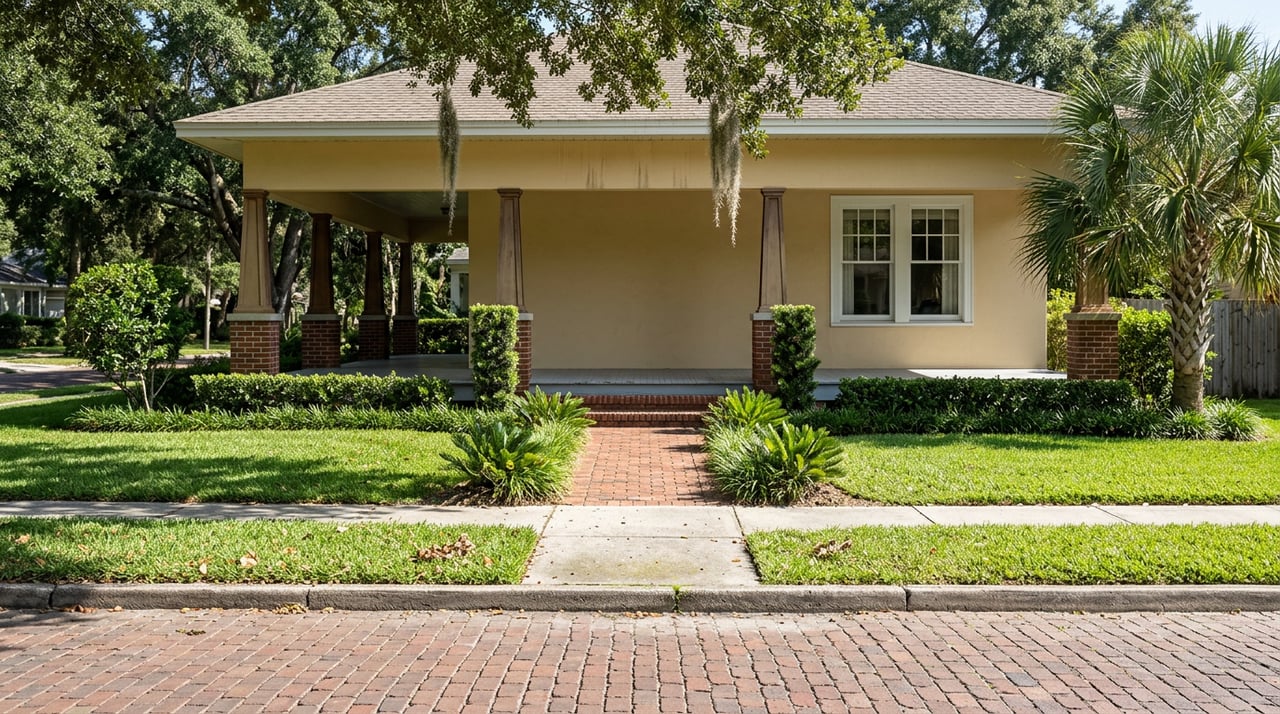
Both the National Register nomination and HONNA point to brick streets and alleys, hexagonal block sidewalks, granite curbs, the original grid pattern, mature tree canopy, and front porches as defining features. HONNA also emphasizes the neighborhood’s oak canopies and waterfront green space.
Brick Streets, Shade, and Porches
These details may sound small on paper, but they matter in daily life. Brick streets can slow the pace visually, mature trees create shade and a sense of enclosure, and front porches help connect homes to the street.
For many buyers, that adds up to a neighborhood that feels more interactive and grounded. You are not just driving in and out. You are moving through a place with a strong public realm, where walking, biking, and simply being outside feel like part of the experience.
Waterfront Living Is Part of Daily Life
In some neighborhoods, water is a bonus you drive to on weekends. In Historic Old Northeast, water is woven into the setting.
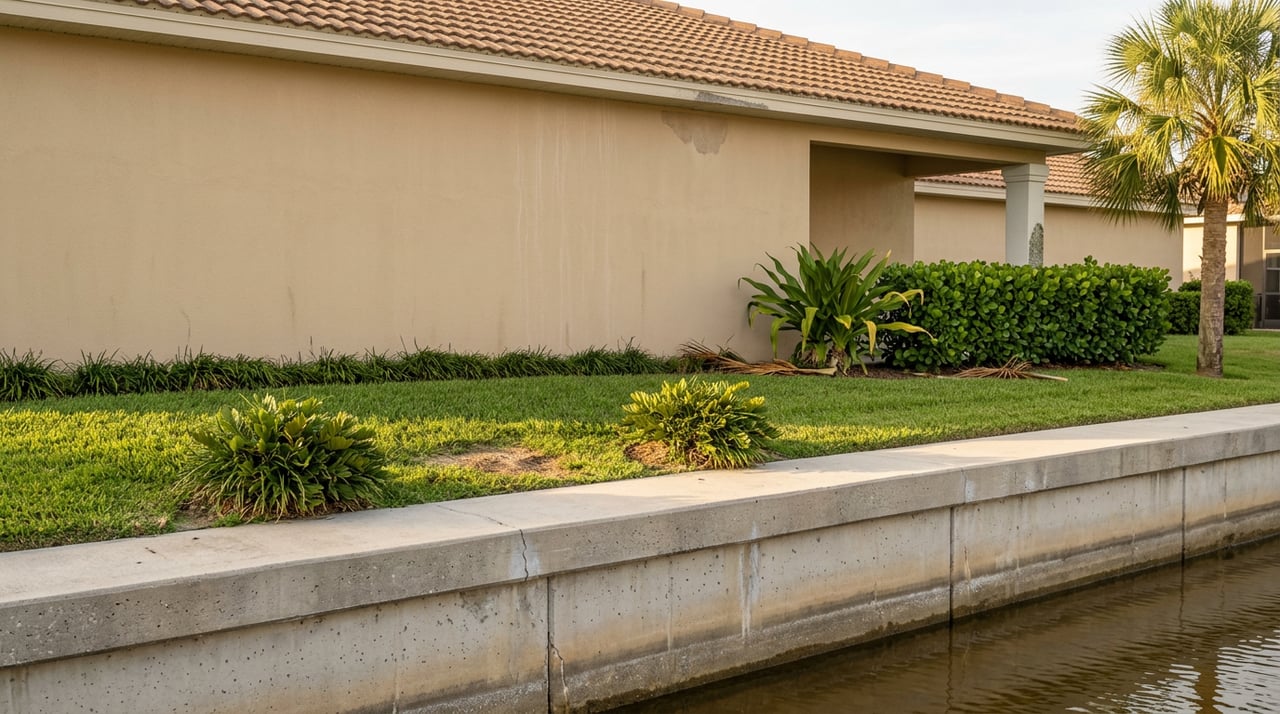
The National Register nomination notes that much of the neighborhood sits close to Tampa Bay or Coffee Pot Bayou. That proximity shapes views, breezes, recreation, and the overall rhythm of the area. It is one reason the district feels connected to the broader St. Petersburg waterfront lifestyle while still remaining primarily residential.
Nearby Parks and Open Space
A City of St. Petersburg downtown waterfront guide reference places North Shore Park and Vinoy Park in the adjacent north waterfront corridor. HONNA’s preservation guide also identifies several important nearby landmarks, including Sunken Gardens, the Vinoy Park Hotel, and the Palladium Theater.
The city’s waterfront planning has also referenced North Shore Park improvements such as a new playground, resurfaced tennis courts, volleyball lighting, and an outdoor fitness center. That suggests the park system is not just scenic, but actively used as part of everyday neighborhood life.
Preservation Shapes Ownership Here
If you love the character of Historic Old Northeast, it helps to understand that preservation is an active part of the neighborhood. This is not simply a place where older homes happen to remain. In some areas, there are formal protections that help preserve the visual character.
HONNA explains that Granada Terrace is a Local Historic District and that several one-block areas have later local historic district designations. It also notes that visible exterior changes in locally designated historic places are reviewed through the City’s preservation process.
What That Means for Buyers
For you, this can be a real advantage if preserving neighborhood character is part of the appeal. The built environment is not left entirely to chance, and that can support a more consistent historic feel over time.
At the same time, it is important to understand the practical side. If you are looking for new-construction uniformity or a very hands-off ownership experience, this neighborhood may be less aligned with that goal. Its appeal is closely tied to historic homes, ongoing upkeep, and, in some areas, review of visible exterior alterations.
Community Life Feels Active and Local
Historic Old Northeast is primarily residential, but it does not feel disconnected or anonymous. HONNA says it represents more than 2,500 residents and operates as a volunteer-driven organization with more than two dozen sponsored events per year.
Its events and mission information mention porch parties, quarterly meetings, an annual yard sale, and the Candlelight Tour of Homes at Christmas. Those traditions point to a neighborhood where residents participate in shared activities and where the built environment often becomes the backdrop for community life.
Stewardship Is Part of the Culture
HONNA’s project recaps also show a stewardship mindset, including park cleanups at North Shore Park, tree planting, monument beautification, an Art in the Garden Tour, and ongoing work to preserve the tree canopy and historic character.
That says a lot about how the neighborhood functions. People are not only drawn to the area’s beauty. They are also actively involved in maintaining and celebrating it.
Who Historic Old Northeast Often Fits Best
Every neighborhood has a personality, and Historic Old Northeast has a particularly clear one. Based on its historic designation, preservation framework, waterfront orientation, and resident-led activity, it tends to appeal most to buyers who want character, walkability, and a strong sense of place.
You may find it especially compelling if you are looking for:
- A historic home with architectural detail
- Shaded streets and an established streetscape
- Close access to downtown St. Petersburg
- Nearness to waterfront parks and open space
- A neighborhood with visible community involvement
On the other hand, if your priority is a more standardized housing stock or minimal involvement with an older home, another area may be a better fit.
Everyday Practical Context
Beyond lifestyle and design, buyers often want a sense of how a neighborhood fits into the broader city framework. Historic Old Northeast appears in St. Petersburg Police District 2, and Fire Station 4, Old Northeast, serves the neighborhood and nearby northside communities.
That kind of established public-service footprint adds to the sense that this is a long-standing, well-defined residential area within the city.
Why This Neighborhood Stands Out
What makes Historic Old Northeast special is the way its parts reinforce each other. The architecture is distinctive, but it is even more meaningful because it sits within a preserved streetscape of brick roads, mature trees, sidewalks, porches, and waterfront access.
That combination creates a daily experience that feels both beautiful and functional. You are close to downtown St. Petersburg’s cultural energy, yet the neighborhood itself remains rooted in its own historic rhythm.
If you are thinking about buying or selling in Historic Old Northeast, working with a neighborhood-focused advisor can help you understand not just the homes, but the context that gives them value. To explore opportunities in this part of St. Petersburg, connect with Melody Stang for personalized, local guidance.
FAQs
What is Historic Old Northeast in St. Petersburg, Florida?
- Historic Old Northeast is the local name for the North Shore Historic District, a historic neighborhood just north of downtown St. Petersburg bounded generally by 4th Street, Coffee Pot Bayou and Tampa Bay, 30th Avenue, and 5th Avenue.
What architectural styles are found in Historic Old Northeast?
- The neighborhood includes frame vernacular homes, bungalows, Colonial Revival, Mediterranean Revival, Prairie, Tudor Revival, Minimal Traditional, Ranch, Mission, Classical Revival, Art Moderne, Renaissance Revival, and Monterey styles, with much of the historic fabric dating from the 1910s to the 1940s.
What makes the streetscape in Historic Old Northeast unique?
- Key features include brick streets and alleys, hexagonal block sidewalks, granite curbs, original grid patterns, mature tree canopy, waterfront green space, and front porches that shape the neighborhood’s look and feel.
How does historic preservation affect homes in Historic Old Northeast?
- In locally designated historic areas, visible exterior alterations are reviewed through the City’s preservation process, which helps protect the neighborhood’s character.
What is everyday life like in Historic Old Northeast?
- Daily life often centers on walkable shaded streets, nearby waterfront access, local parks, and resident-led events such as porch parties, yard sales, and holiday home tours.
What landmarks and parks are near Historic Old Northeast?
- Nearby landmarks and public spaces include North Shore Park, Vinoy Park, Sunken Gardens, the Vinoy Park Hotel, and the Palladium Theater.
Who is Historic Old Northeast a good fit for?
- The neighborhood often suits buyers who want historic homes, downtown and waterfront proximity, established streetscapes, and a strong neighborhood identity tied to preservation and community involvement.