As Bay News 9 reported, Keisha Bresica has a system now. She buys "slow down" signs, plants them along the edge of her yard, watches them get run down or blown over, and buys more. She's been doing this long enough that it's become a small, recurring line item in her life on Snell Isle Boulevard.
"I can't even pull out of my driveway without worrying," she told Bay News 9 in late June. Her frustration isn't about a single reckless driver or a bad week of traffic. It's about a street that was never built to carry what it's carrying now, and a city that agrees something is wrong but hasn't yet landed on what to do about it.
If you live along the boulevard, or anywhere on Snell Isle where it's your main way in and out, you already know the feeling. What's less obvious is why the fix isn't as simple as it sounds, and that's the part worth understanding if you're going to keep living with it.
The Math That Ruled Out Speed Bumps
When Bresica pushed the city for traffic calming, she got an answer that probably surprised her: speed bumps were off the table. Not because the city doesn't think the road has a speeding problem, but because of how many cars are actually on it. St. Petersburg told her Snell Isle Boulevard carries nearly 8,000 vehicles a day. That's a volume more typical of a secondary arterial than a residential street lined with driveways and mailboxes.
Speed bumps work on local streets with light, predictable traffic. At 8,000 vehicles a day, they create their own problems: braking clusters, noise, and drivers swerving around them rather than slowing for them. The city's logic isn't a brush-off. It's an acknowledgment that the boulevard has outgrown the toolkit usually reserved for neighborhood streets, and that whatever comes next has to work at a different scale.
That's the detail that reframes the whole story. This isn't really a speeding complaint. It's a capacity problem wearing a speeding complaint's clothes.
A Boulevard Built For 1926, Not 2026
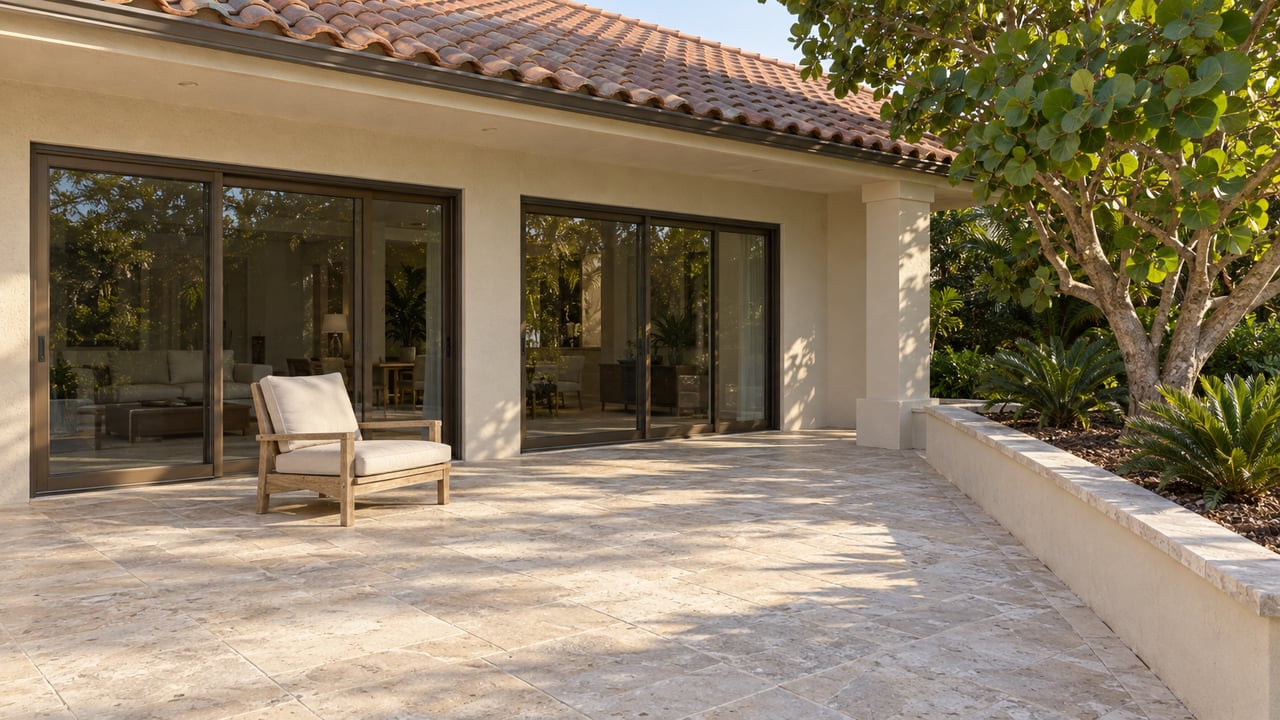
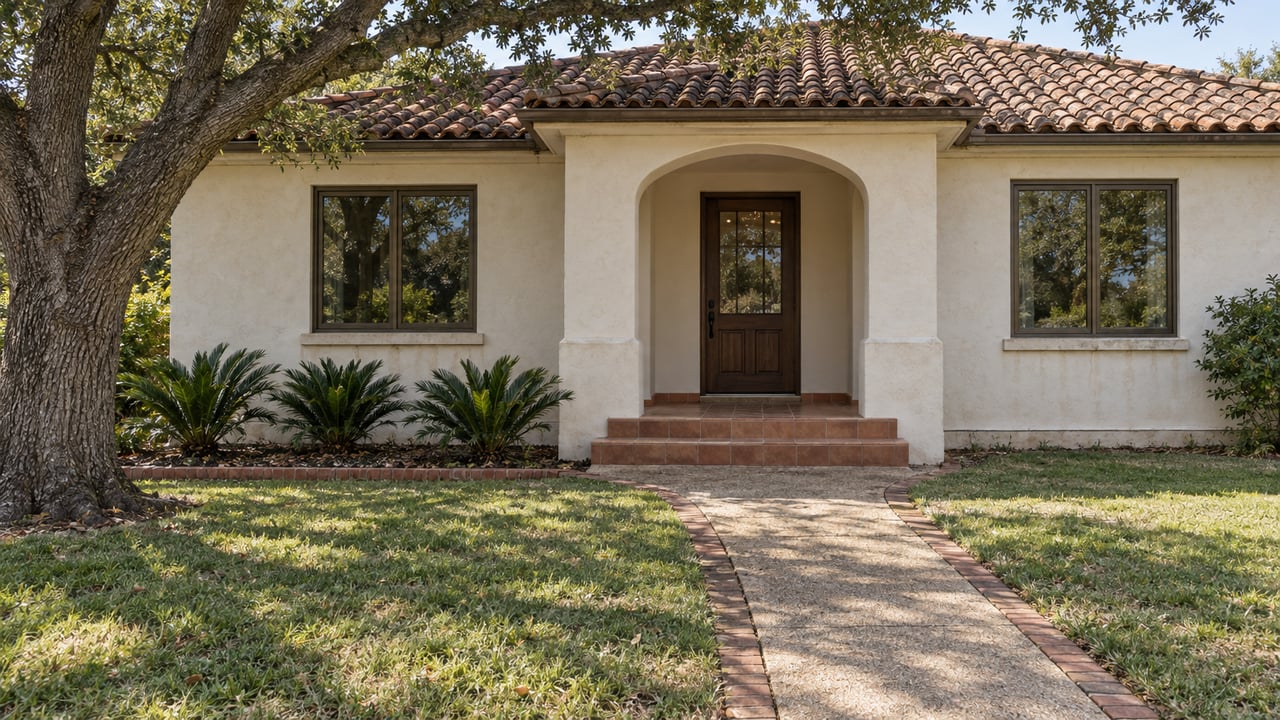
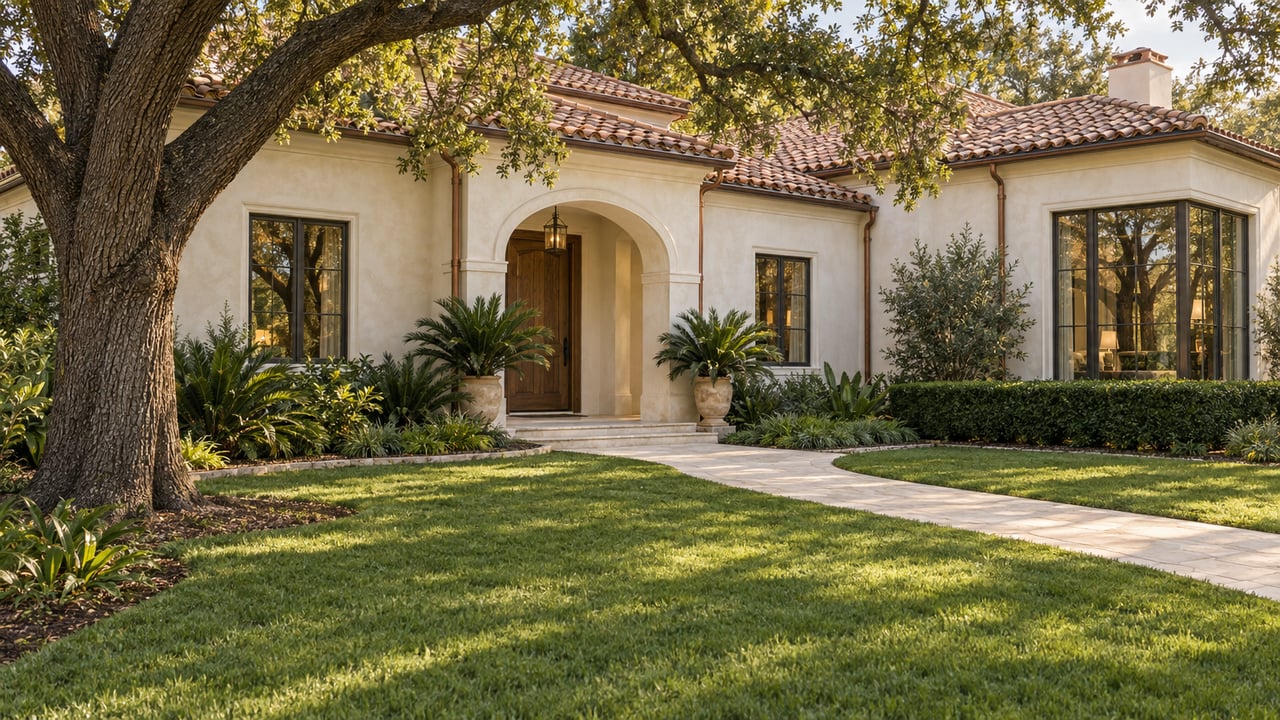
Snell Isle Boulevard was laid out by C. Perry Snell in the 1920s as the spine of a Mediterranean-style planned community, and it still reads that way: long, straight, generously wide, with few interruptions to slow the flow of traffic. Those were design choices meant to showcase the island, not to manage volume. A century ago, the road served a small, self-contained residential peninsula.
It doesn't serve that anymore. Stephen Smith, vice president of the Snell Isle HOA, said in Bay News 9's report that speeding is the single complaint he hears most, and the boulevard has become a through-route that "goes out to Shore Acres and Venetian Isles." People are using it to bypass other roads, not just to get home. Bresica has her own theory, pointing to nearby construction pushing more drivers onto the boulevard as a detour.
Put those two things together and you get a street doing double duty: it's still the quiet, palm-lined entrance to one of St. Petersburg's most established neighborhoods, and it's also become an informal connector for two other communities' daily commutes. The 1920s design never anticipated that second job, and that mismatch, not any individual driver's carelessness, is the actual mechanism behind the complaints.
"It really is about action," Bresica told Bay News 9, after describing a summer of buying her own signage because the promised fixes hadn't shown up yet.
What's Actually Stuck In The Pipeline
City officials have confirmed they're aware of the concerns and are currently finalizing two separate traffic studies for the area. Those studies are presumably where any real, volume-appropriate solution will come from, whether that's a lane reconfiguration, a signal timing change, or something else suited to a road carrying arterial-level traffic.
In the meantime, the interim fix the city offered residents was radar speed signs, the kind that flash a driver's actual speed back at them. Those haven't gone in yet either. As of the most recent reporting, the city said installation is held up by coordination with utility providers, not a lack of intent.
So if you're timing your expectations, the honest read is this: the boulevard has no structural response in place yet, and the one visible, near-term measure that was promised is still sitting in a utilities queue. If you're the kind of resident who tracks city projects the way you'd track weather, this is one worth checking on periodically rather than assuming it quietly resolved itself.
The Life That Happens Alongside The Traffic
None of this erases what makes Snell Isle Boulevard worth living on in the first place, and that contrast is part of what makes the traffic frustrating rather than merely inconvenient. More than eighty percent of homes on Snell Isle have some kind of waterfront view. This is a place where the water is the point, and the boulevard is supposed to be the quiet approach to it, not the obstacle.
That approach still carries real daily rhythm. Dog walkers and joggers use the sidewalks that shadow the boulevard before cutting toward Coffee Pot Bayou, where the path continues along the water with views locals half expect and always slow down for anyway, manatees included. Cyclists heading downtown often route along Coffee Pot Boulevard NE rather than fight the main drag directly. Families with kids at the parish school near St. Raphael Catholic Church time their mornings around a drop-off window that gets noticeably tighter when boulevard traffic is heavier than usual.
The Vinoy Golf Club, the historic anchor at the center of the island, closed its course for its annual maintenance stretch in late August and reopened afterward, which is its own small seasonal marker for anyone who plays there or just notices the mowers and irrigation work each year. It's a reminder that Snell Isle still runs on its own internal calendar, golf closures, yacht club events at the marina, church functions, even as the boulevard outside increasingly answers to a regional one.
What This Means If You're Living With It Now
If you're on or near Snell Isle Boulevard right now, the practical takeaway isn't complicated. Don't expect speed bumps. The traffic volume argument the city made to Bresica applies to your block too. Do expect the radar signs eventually, though "eventually" currently has no firm date attached to it. And keep an eye on those two traffic studies, since whatever comes out of them will likely be the first real structural response rather than a stopgap.
In the meantime, the small adaptations residents have already made, like Bresica's signs, or families adjusting school-run timing, or cyclists rerouting toward the bayou path, are probably a more honest map of daily life here than anything official yet on the books.
That's usually how it goes in a neighborhood built a century before its traffic patterns were: the residents figure out the workarounds long before the infrastructure catches up. If you love this street enough to worry about it, you already understand what makes Snell Isle worth that patience.
If you're weighing a move to Snell Isle, or already call it home and want a clearer read on how neighborhood issues like this one intersect with property values and timing, Melody Stang has spent years working this peninsula block by block. Let's connect. Schedule a consultation.