If you own a home in Venetian Isles, a renovation is rarely just about new finishes or more square footage. On these waterfront lots, every design choice connects to views, seawalls, flood rules, permits, and long-term resale value. A thoughtful plan can help you protect what makes the property special while avoiding expensive surprises later. Let’s dive in.
Why waterfront planning matters in Venetian Isles
Venetian Isles is a deed-restricted waterfront community of about 533 homes built on man-made islands connected by bridges. The neighborhood is known for water views, deep-water canals, and a shared focus on preserving beauty and property values. That setting gives you unique opportunities, but it also adds layers of review and planning.
Because this part of St. Petersburg sits in a coastal environment exposed to hurricanes, storm surge, and heavy rainfall, flood resilience should be part of your renovation conversation from day one. In Pinellas County, flood zones and evacuation zones are not the same thing, and both matter when you plan improvements. Understanding those basics early can shape everything from design scope to insurance expectations.
Start with the site before the style
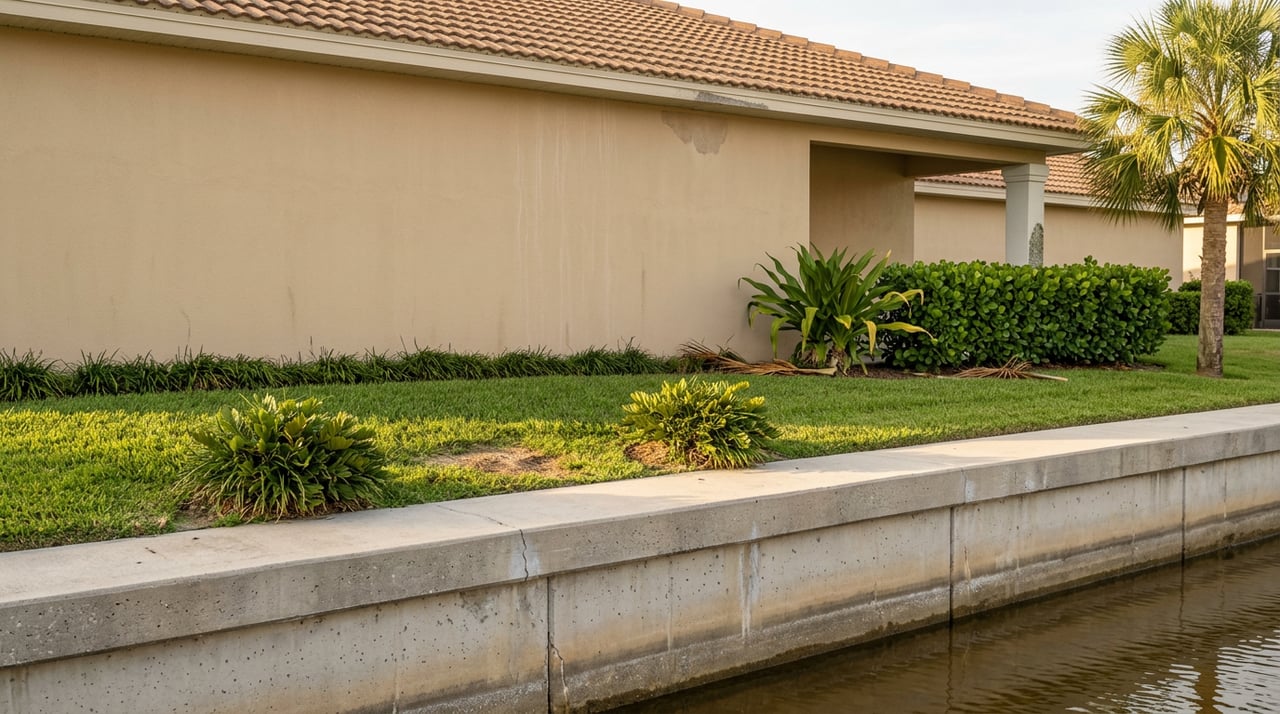
On a waterfront lot, the smartest first step is usually to understand the property itself before you lock in design ideas. In Venetian Isles, that often means looking closely at the survey, seawall location, dock access, side setbacks, and how the lot relates to the canal. Those details can affect where additions, lanais, pools, and outdoor living areas can realistically go.
This matters because a great-looking plan on paper may not work well once waterfront constraints are factored in. If you build the design around the site first, you are more likely to preserve views, keep boat access functional, and avoid revisions later. That kind of planning also tends to support smoother resale conversations down the road.
Permits are a major part of the project
In St. Petersburg, owners or authorized agents must obtain permits for regulated work. For homes in Venetian Isles, permit records are especially important because buyers often want clear documentation that work was completed in compliance with applicable rules. If you renovate without the right approvals, that issue may follow the property when it is time to sell.
Florida’s current statewide code is the Florida Building Code, 8th Edition (2023), effective December 31, 2023. St. Petersburg projects can also be subject to local rules and amendments, so a renovation should be reviewed through both state and city requirements. That is one reason waterfront projects often benefit from experienced professional coordination from the beginning.
Waterfront features need extra review
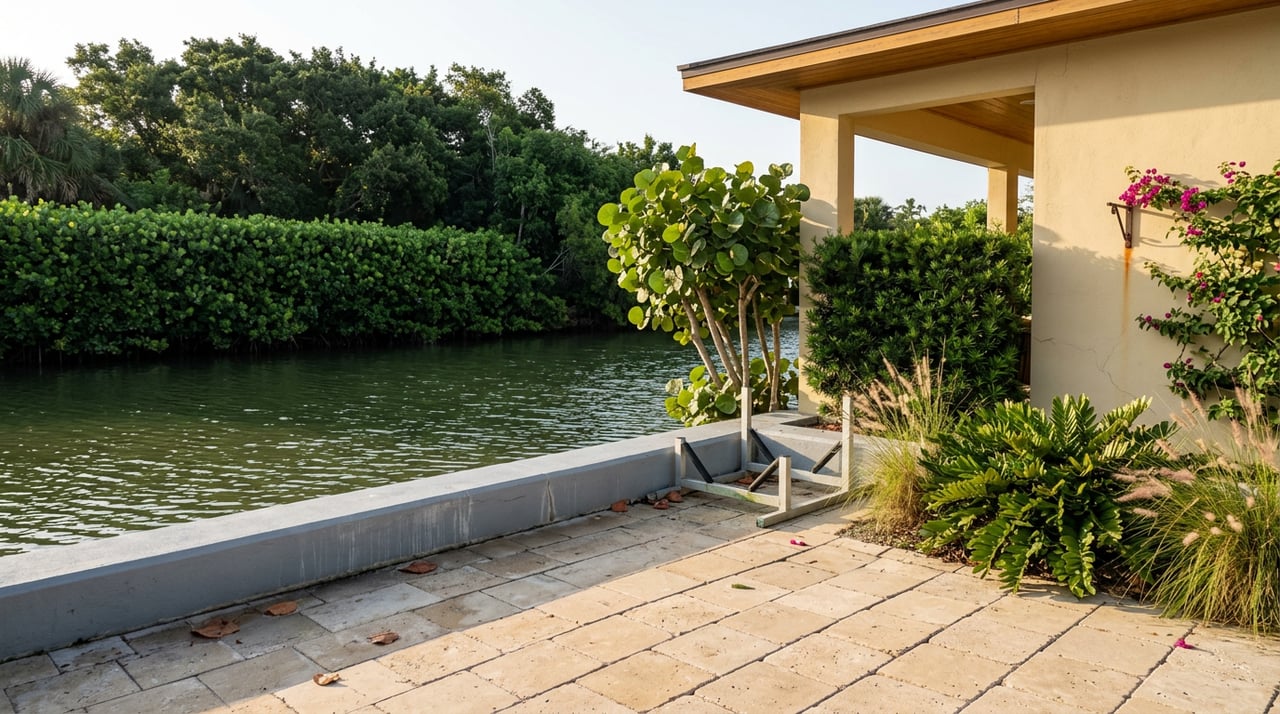
Not all exterior work is treated the same on a canal-front property. In St. Petersburg, seawalls, bulkheads, retaining walls, and rip-rap require permits and detailed specifications. Dock work is also regulated, with waterfront setbacks and limits on encroachment.
If your renovation includes an in-ground pool near a seawall, the city requires added engineering review to avoid conflicts with existing tie-backs. That can affect design, cost, and timing. For many owners, this is where early planning pays off most.
Know the substantial improvement threshold
One of the most important numbers in a waterfront renovation is St. Petersburg’s substantial improvement threshold. If work reaches 49 percent of the market value of the structure, it is treated as substantial improvement. In flood hazard areas, that can trigger requirements for the project to comply with new-construction flood design standards.
Pinellas County gives a similar practical warning: once work reaches about half of the structure’s value, elevation above flood level may be required. This is a major issue for owners considering large-scale remodels, additions, or damage repairs. If your project could approach that threshold, it is wise to understand the implications before final plans are approved.
HOA review is part of the process
In Venetian Isles, city approval may not be the only approval you need. The HOA enforces deed restrictions and has an architectural review process, which means exterior changes may also need neighborhood review. That can be especially relevant for additions, dock modifications, exterior materials, and other visible updates.
For owners, this creates an important planning point: neighborhood fit matters. A renovation that respects the community’s established waterfront character is often easier to support than a highly customized change that feels out of place. It can also help protect future marketability.
Design for indoor-outdoor living with resilience in mind
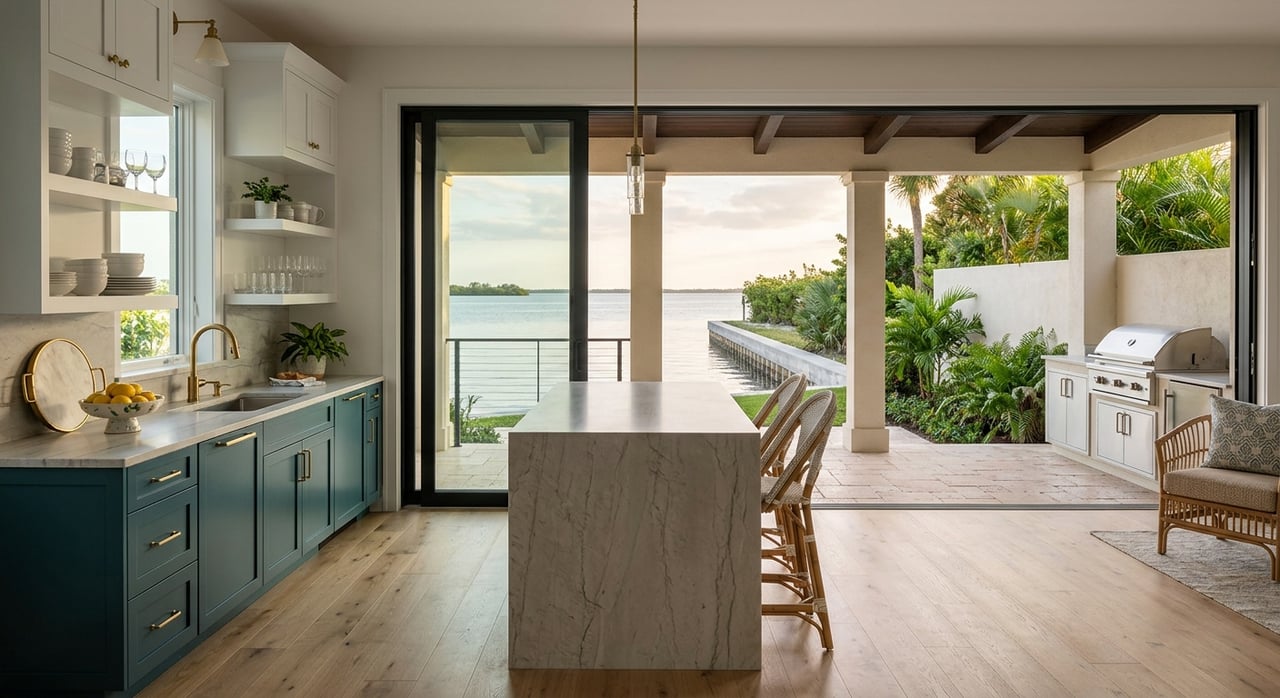
Many buyers are drawn to Venetian Isles for the waterfront lifestyle, so indoor-outdoor living usually makes sense as a design goal. The key is pairing that lifestyle focus with practical flood-aware decisions. Outdoor entertaining areas, lanais, and waterfront access should feel inviting, but they should also be planned with the site’s risks in mind.
FEMA recommends elevating or protecting building utilities such as water heaters and AC units. It also notes that floodproofing to the base flood elevation or above helps reduce damage. In practice, that can support decisions like relocating mechanical systems, choosing more durable materials in vulnerable areas, and being selective about where you invest in high-end finishes.
Roofing, windows, and the building envelope matter
A thoughtful renovation is not only about what you can see. Pinellas County advises homeowners to consider the year the home was built, the year the roof was replaced, and whether the home has hurricane-impact windows or coverings when judging storm readiness. That makes roof, glazing, and exterior envelope upgrades part of the larger value conversation.
These updates can influence more than day-to-day comfort. They may also affect buyer confidence when the home eventually returns to the market. In a waterfront setting, visible style and structural readiness often need to work together.
Insurance and documentation affect long-term value
On a waterfront property, renovation decisions do not stop at construction. Pinellas County says flood insurance rates depend on factors such as flood risk, lowest-floor elevation, and the date and type of construction. Elevation certificates are also part of the permitting and insurance process.
For owners and buyers alike, that means resilience features can matter beyond safety. They may influence carrying costs, documentation requirements, and future due diligence. Pinellas County also notes that most homeowners and renters policies do not cover flood, and that a new flood policy usually takes 30 days to become effective.
Think about resale while you renovate
Venetian Isles has a strong identity, and that identity can shape what feels appealing in the resale market. Because the HOA’s mission includes preserving beauty and property values, renovations that show exterior consistency, documented improvements, and neighborhood-appropriate materials may be easier to justify to future buyers. A polished result tends to be strongest when the home feels both updated and in step with its setting.
This is where thoughtful planning can create real value. If you keep permits organized, make resilience-minded upgrades, and avoid over-improving low areas that are more likely to get wet, your renovation may be easier for buyers to understand and appreciate. In a premium waterfront market, clarity and confidence matter.
Build the right team early
For a Venetian Isles renovation, the right team often includes a licensed contractor, a surveyor for elevation documentation, and an architect or engineer familiar with coastal and floodplain rules. That becomes even more important if your project touches seawalls, docks, pools near seawalls, or renovations that may approach the substantial-improvement threshold. A coordinated team can help you spot issues before they become delays.
If you are renovating with future resale in mind, local real estate guidance can also be helpful early in the process. Understanding which improvements support buyer expectations, presentation, and long-term value can help you make smarter choices before construction begins. In a neighborhood where setting and lifestyle matter so much, strategy is part of the renovation.
If you are weighing a purchase, a renovation, or a future sale in Venetian Isles, working with a local waterfront specialist can help you think through property fit, buyer expectations, and resale potential with more clarity. To talk through your goals, connect with Melody Stang.
FAQs
What makes a waterfront renovation in Venetian Isles different from a typical home remodel?
- Waterfront renovations in Venetian Isles often involve added review for flood risk, seawalls, docks, setbacks, permits, and HOA requirements, so planning is usually more complex than a standard remodel.
What is the substantial improvement rule for St. Petersburg waterfront homes?
- In St. Petersburg, work that reaches 49 percent of the market value of the structure is treated as substantial improvement, which can trigger new-construction flood design requirements in flood hazard areas.
Do Venetian Isles exterior renovations need HOA approval?
- Exterior changes may need HOA architectural review because Venetian Isles is deed-restricted and the HOA helps enforce neighborhood standards.
Why do flood zones and evacuation zones both matter in Pinellas County?
- Flood zones are used to assess flood risk, while evacuation zones are based on storm-surge risk, so both can affect renovation planning, insurance questions, and hurricane preparedness.
What professionals are helpful for a Venetian Isles waterfront renovation?
- A licensed contractor, surveyor, and architect or engineer familiar with coastal and floodplain rules are often important, especially for projects involving seawalls, docks, pools near seawalls, or major remodels.